
Junior dock master, RMYC Newport
Where I started — junior dock master at the Royal Motor Yacht Club in Newport, learning the pens, the ropes, the members and the weather before anything else.
About us
We started out driving boats around Sydney Harbour — water taxis, water limousines and charter vessels — and ended up running the marinas they came home to. Today we advise and operate for marinas, boatyards, councils, marine contractors and waterfront owners across Australia. Sydney Harbour, Pittwater and the Georges River are home; the work goes wherever the water is.
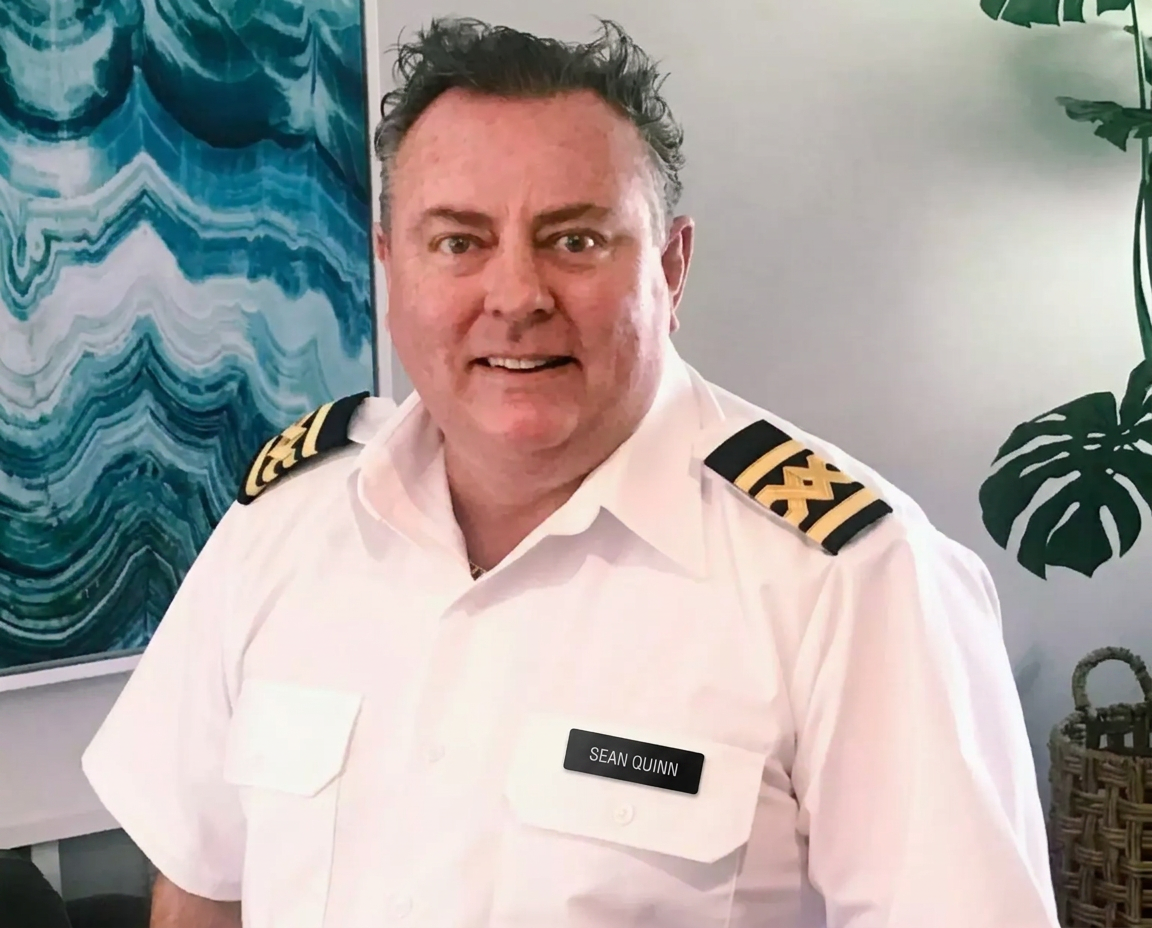
Sean Quinn
General Manager, Sydney Marine Logistics / AMSA Commercial Skipper
Fifty years on the water. Junior dock master at RMYC Newport, then charter skipper, then shipbroking, then twenty years in pharmaceutical sales management, then running some of the largest marinas in Australia. People ask why the detour. It is simple: pharma taught me process, compliance and how to sell — and I brought all three back to an industry that badly needs them.
Because the gaps in this industry are enormous. Try booking a water taxi as an ordinary member of the public and see how far you get. Then look at multimillion-dollar charter operations run off a whiteboard, marinas billing power off a clipboard, and safety files that only exist after an incident. I have worked every one of those levels. That is why I built this firm and why I built BerthPoint.
And I do not work alone. My team is large and deliberately built — dockmasters, skippers, surveyors, commercial divers, piling and dredging crews, riggers, marine electricians, safety auditors and our software team — all under one insurance, one WHS system, and all paid properly, superannuation included.
Marina management in Australia is effectively unregulated when it comes to training. You cannot walk into TAFE and enrol in a marina management or dock master course — it does not exist. The national training register carries an entry-level MAR30122 Certificate III in Marina Operations, written for people assisting under supervision, and it is delivered by a handful of private RTOs rather than the TAFE system. Above that, there is no accredited qualification at all: no Certificate IV, no diploma, nothing for the person actually running the facility.
What fills the gap is a private, industry-run pathway — the Intermediate and Advanced Marina Management courses delivered by the Marina Industries Association with the Global Marina Institute, leading to the CMO, CMM and CMP designations. They are credible programmes run by good people, but they are industry-issued, not government-accredited, they carry no AQF level, and they are expensive: the Advanced Marina Management course alone is $5,717 plus GST for members and $7,825 plus GST for non-members, before travel, accommodation and the years of prerequisites.
I have run some of the largest marinas in this country for fifty years without ever buying one of those certificates. My competence was earned in and out of the water — on the dock, on the helm, in the yard, in front of boards and regulators. That should not be the only route available to the next person, and a paid private badge should not be what decides who gets to manage a hundred-million-dollar waterfront asset.
"From 2026 my goal is simple: get marina management and dock mastering onto the national training register as properly accredited, TAFE-deliverable qualifications, so this industry has one standard across Australia instead of a private course and a handshake."
"I've driven the boats, run the docks, worked the night shifts in a southerly, and sat in the room telling a board why the pontoons couldn't wait another year. Whatever I recommend is what I'd do if the marina were still mine — and I'll show you the numbers behind it."
Marina marketing
Every marina I look at has the same blind spot: the place is beautiful, the pens are right, the restaurant is good — and nobody outside the regulars knows any of it. Marinas are run by people who love boats and hospitality, but most of them cannot market for shit. They are more interested in running the bar than telling the world why someone should drive an hour to sit in it.
Sydney Marine Logistics is different. I have paid to stay at marinas, eaten at marina restaurants, and booked marina accommodation. I know what a customer wants before they arrive, and I know the channels that reach them — marine directories, cruising networks, trade press, social, events, and the local partnerships that actually drive bookings.
We do not just install BerthPoint and walk away. We use it to fill your visitor berths, promote your dining and events, and turn your marina into a destination. Berth nights, restaurant covers, weekend stays, launch events — they are all part of the same profit engine, and we market the whole thing.
Visitor, casual, and sublet berths promoted through the channels boat owners actually use — with availability and insurance handled before they arrive.
Restaurant, bar, and events promoted to locals, boat owners, and transient visitors so your marina is a destination, not just a car park for boats.
Weekend stays, seasonal packages, and cabin bookings — marketed as experiences, not just beds near a jetty.
Marine directories, cruising networks, social, trade publications, local partnerships, and direct campaigns to your existing customer base.
Why us
We are not a labour-hire company that reads a marina manual once and turns up with a clipboard. We are an advisory that knows the people who actually do the work — the piling crews, the dredging operators, the riggers, the divers, the barge masters, the electrical contractors, the safety auditors and the night-shift dockmasters. We know them because we have worked beside them, hired them, and in some cases trained them.
That means when something breaks at your marina, we do not waste a day finding a contractor who understands marine work. We make one phone call and get the right person on site — usually the same person who has fixed the same problem for us before. We also know what it should cost, how long it should take and what the compliance paperwork needs to look like.
If your marina needs to run better, fix something, prove compliance or get a job done that nobody else can quote, we are the cornerstone you lean on.
Waterfront owners, marina managers, fund asset managers and club committees call us because they get one number and one person who understands the whole picture. Not a sales team. Not a overseas helpdesk. Sean answers the phone, scopes the job and makes sure the right crew and the right paperwork turn up.
For asset managers and marina owners
Most asset managers holding a marina in their portfolio came up through property — commercial, retail, residential. That is a genuine skill, and the good ones are worth every cent: they read a lease, they hold a budget, they fund the capital works before something fails. But almost none of them came up through boats. They have never done a 6am dock walk in a southerly, never fit-checked a 19-metre boat into an 18-metre pen, never had to explain to an owner why the power pedestal on B arm is out.
That gap is the single biggest problem in Australian marinas right now. It is not incompetence — it is the wrong trade for the asset. Property people are asked to run a marine operation, and the numbers go backwards while everyone insists the numbers are the only thing that matters.
We are the other half of that team. You keep the portfolio, the reporting line and the board. We bring fifty years of running the biggest marinas in the country — the dock, the compliance, the contractors, the owners, the rate card, the revenue you are currently giving away in unmetered power, empty casual nights and pens that are mis-allocated. You look good, because the asset finally performs.
Profit matters. It is not the whole job.
Without profit the marina fails and everybody in it is out of work — including you. So yes, my job is your profit, and my job is keeping you in yours. But a marina that is squeezed for a number and nothing else loses its people, its reputation and eventually its boats. Berths are sold by a dock team owners trust, on a facility that is safe and maintained. Look after that, and the return looks after itself. That is the balance we manage, every day, on the water.
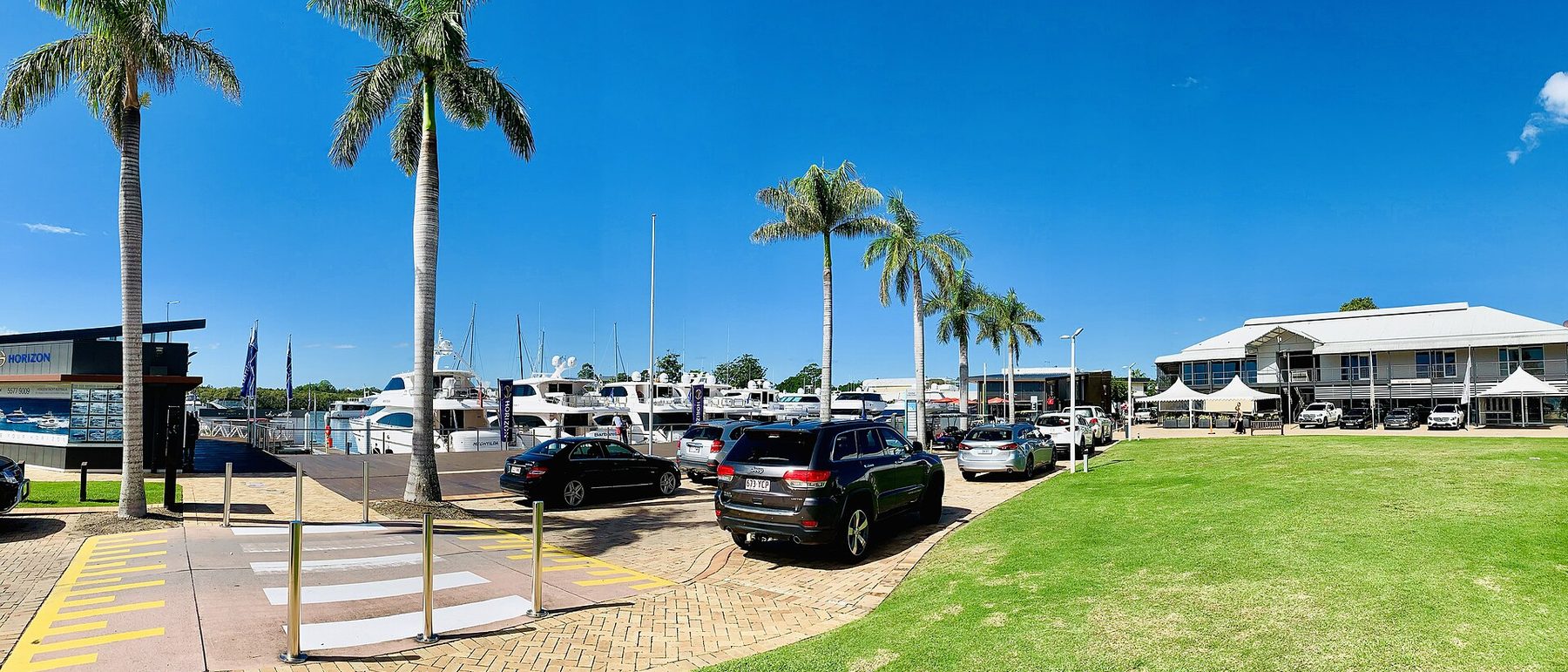
The difference we see on site
A good asset manager
Sets the return target, then asks the marina team what it will take to get there.
The one that costs you
Sets the return target and assumes the dock will absorb it. Rates go up, service goes down, boats leave.
A good asset manager
Treats berth income like a tenancy schedule and a service business at the same time.
The one that costs you
Treats a marina like a shopping centre with water in it. Occupancy on a spreadsheet, no idea what a fit-check is.
A good asset manager
Funds the pile, the pontoon and the fire assets on condition, before they close an arm.
The one that costs you
Defers maintenance to protect this year's number and turns a $40k repair into a capital programme and a lost season.
A good asset manager
Keeps the dockmaster who knows every owner by name, and pays them properly.
The one that costs you
Cuts the dock team first, because on paper they are a cost line rather than the people who sell the berths.
Some of the biggest names in marina asset management in this country build a superb facility and then manage it like a property portfolio. The construction is world class. The day-to-day operation is where the money leaks. If that sounds like your asset, ring me — that conversation costs nothing.
The path here
Where I started — junior dock master at the Royal Motor Yacht Club in Newport, learning the pens, the ropes, the members and the weather before anything else.
Cut my teeth on recreational and commercial boats around Sydney Harbour — all hours, all weather, all types of passengers and cargo.
I skippered and operated large charter vessels, workboats, crew transfers and freight runs on Sydney Harbour and in North Queensland. AMSA commercial skipper.
I sold boats and worked in marina management with Ensign Shipbrokers — the sales side of the industry, learning what owners actually buy and why.
I spent two decades as a sales representative and sales manager in pharmaceuticals. That is where my process, compliance discipline and customer follow-through got baked in.
I ran major facilities end to end — dock teams, berth licensing, maintenance, capital works, WHS, environmental compliance and the customer side.
I started the firm so marinas, funds and waterfront owners could hire that experience by the job instead of by the salary — with BerthPoint built alongside it.
We are not here to hand you a report. We are here to make the marina earn more than it ever has — occupancy, casual and visitor nights, metered utilities actually billed, contract rates at market, and maintenance done before it becomes a capital emergency.
Berth licensing, dock teams, capital works, environmental compliance, customer service and the board pack. Sean has managed some of Australia's largest marinas and still scopes every engagement himself.
Every job we run leaves a record behind it — inductions, SWMS, insurance currency, dock walk sheets, incident logs. When the regulator or the underwriter asks, the answer is already filed.
Marinas keep their berth revenue, their customers and their brand. We supply the people, the plant and the platform behind them — we never step in front of the relationship.
Superannuation on time, workers compensation current, award and EBA rates paid correctly — for our crew and for every contractor working behind our name. Sean has been on the wrong end of an operator who did not pay super. It does not happen here.
Australian crews, Australian hours, Australian hosting, AUD pricing and GST handled properly. No overseas support queue, no foreign exchange surprises.
Enquire
Tell us about the facility, the vessel or the project and Sean will come back to you personally within one business day.