
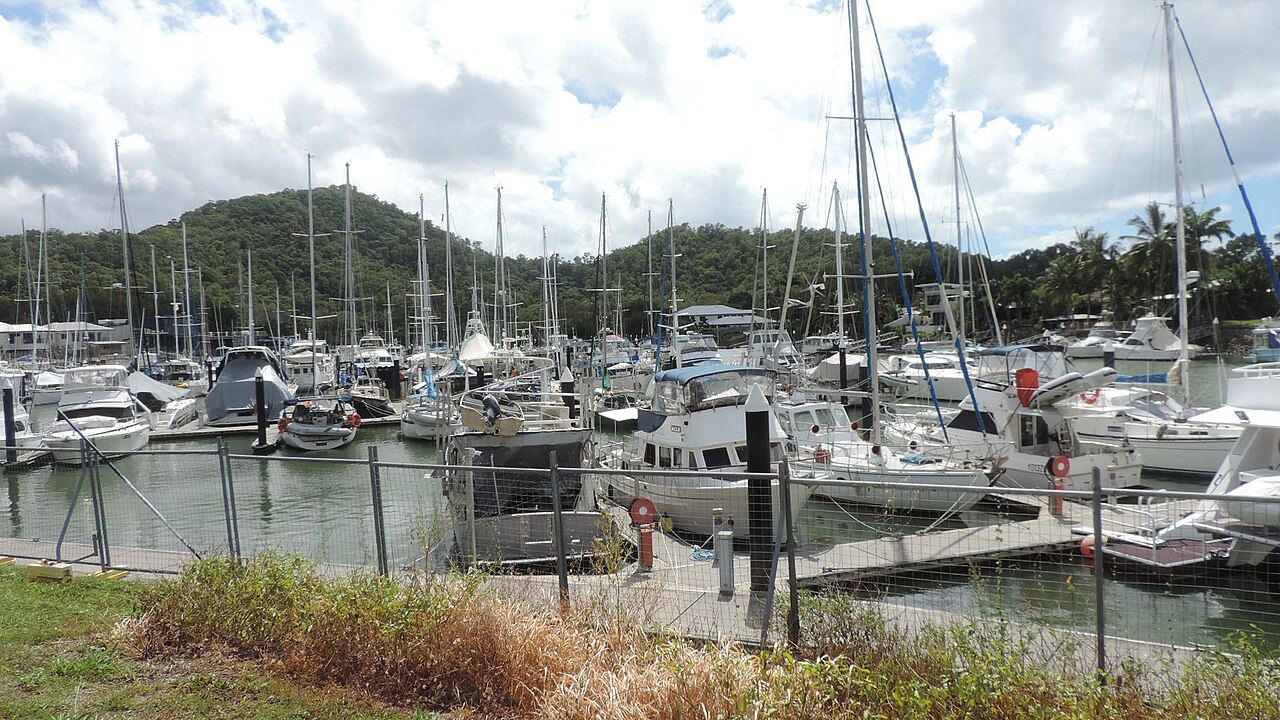
Ask an Australian marina where its easiest untapped revenue sits and most managers will say the waitlist. It is usually the casual book. Visitor and overnight berthing is sold per metre per night, it is bought on impulse two days out, and it is lost the moment a caller reaches a voicemail on a Saturday afternoon. A marina with twelve vacant metres of arm on a summer weekend is not short of demand — it is short of a way to be asked.
Why casual berthing is worth more per metre than a contract
Contracted annual berths are the backbone of a marina's revenue, but they are also its cheapest metre. A nightly casual rate, annualised, is typically several times the contracted equivalent, and it comes with no long-term commitment on the marina's side. Every night a berth sits empty between contracts, or while its owner is cruising, is a night at full nightly rate that never invoices.
The barrier has never been price. It is the friction between a boater deciding to come and the marina saying yes.
Where the enquiries are actually lost
Almost every lost casual booking dies in one of four places, and none of them are commercial.
- After hours: the boat is under way at 1600 on a Sunday and the office closed at 1500
- Fit uncertainty: the caller cannot say beam or draft with confidence, so the answer is 'we'll call you back'
- No visibility of what is free: the berth is available but the person answering the phone cannot see it
- No follow-up: the request is written on a pad, the shift changes, and nobody replies
The request-and-approve model
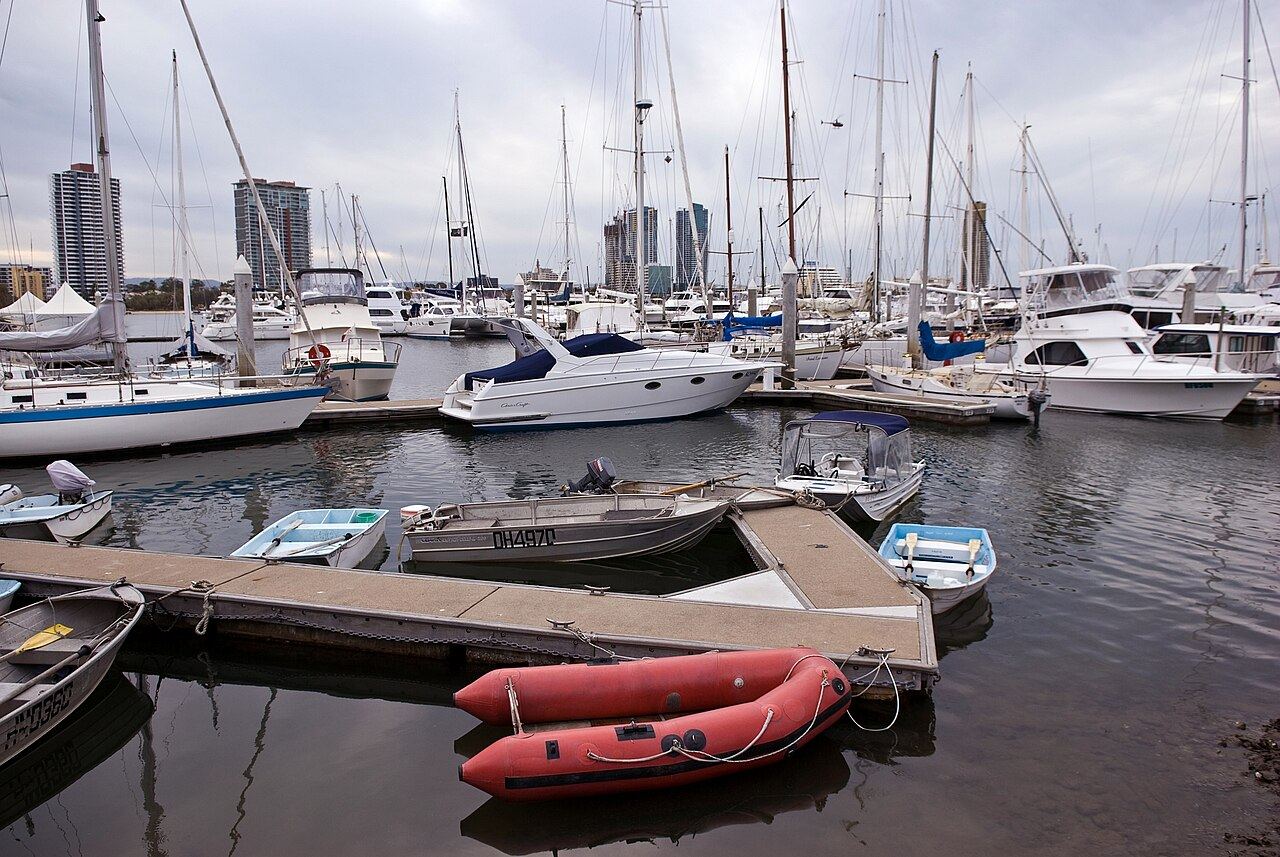
The model that works in Australia is not an open online marketplace that sells a marina's berths without asking. Marinas have lease conditions, insurance requirements, tidal and depth constraints and a duty to know who is on the arm. Selling a berth without the marina's consent is a compliance problem waiting to happen.
The workable version is request-and-approve. A boater submits a berth availability request with the real numbers — length overall, beam, draft, arrival and departure dates, vessel and insurance details. The request is fit-checked against the marina's published berth dimensions before it is ever sent, so the marina never receives an enquiry from a 22 metre catamaran for a 12 metre monohull berth. The marina then approves or declines it, takes the payment directly under its own terms, and the boater is told either way.
That last point is the one that decides whether the model earns a marina any goodwill. A request that receives no response is worse than a busy signal, because the boater has now waited on it.
What good looks like operationally
The marinas that convert casual demand do four things consistently, and none of them require capital.
- Publish real berth dimensions — usable length, beam and depth at low water — so fit checks can be automated
- Nominate a person, not a role, to approve or decline visitor requests within a stated window
- Set a nightly rate card per metre band with a clear minimum and public holiday loading
- Capture insurance and vessel details before arrival, not on the jetty in the dark
Rates, GST and what to publish
Casual berthing in Australia is almost always quoted per metre per night on length overall, with a minimum charge that reflects the real cost of turning a berth over. Power and water are either included to a cap or metered. GST applies, and marinas on port authority or council land often have a wharfage or access component to pass through.
Publish it. A rate a boater can read at 2200 while they are deciding whether to push on to the next anchorage will win over a rate that requires a phone call at 0900.
How our booking service works for marinas
Sydney Marine Logistics now takes berth availability requests through our own site and routes them to the marina. We do not hold the marina's inventory, we do not take the boater's berth payment, and we do not sign anything on the marina's behalf. The marina approves or declines, contracts directly with the boater under its own conditions of entry, and keeps the full berth revenue.
What the marina gets is a qualified, fit-checked, fully detailed request with vessel dimensions, insurance status and dates already captured, plus a record of the response time. What the boater gets is an answer.
If you run an Australian marina and want casual and visitor berth requests routed to you — fit-checked, free to receive, and yours to approve or decline — talk to us about joining the Book a Berth network.
Category tags