
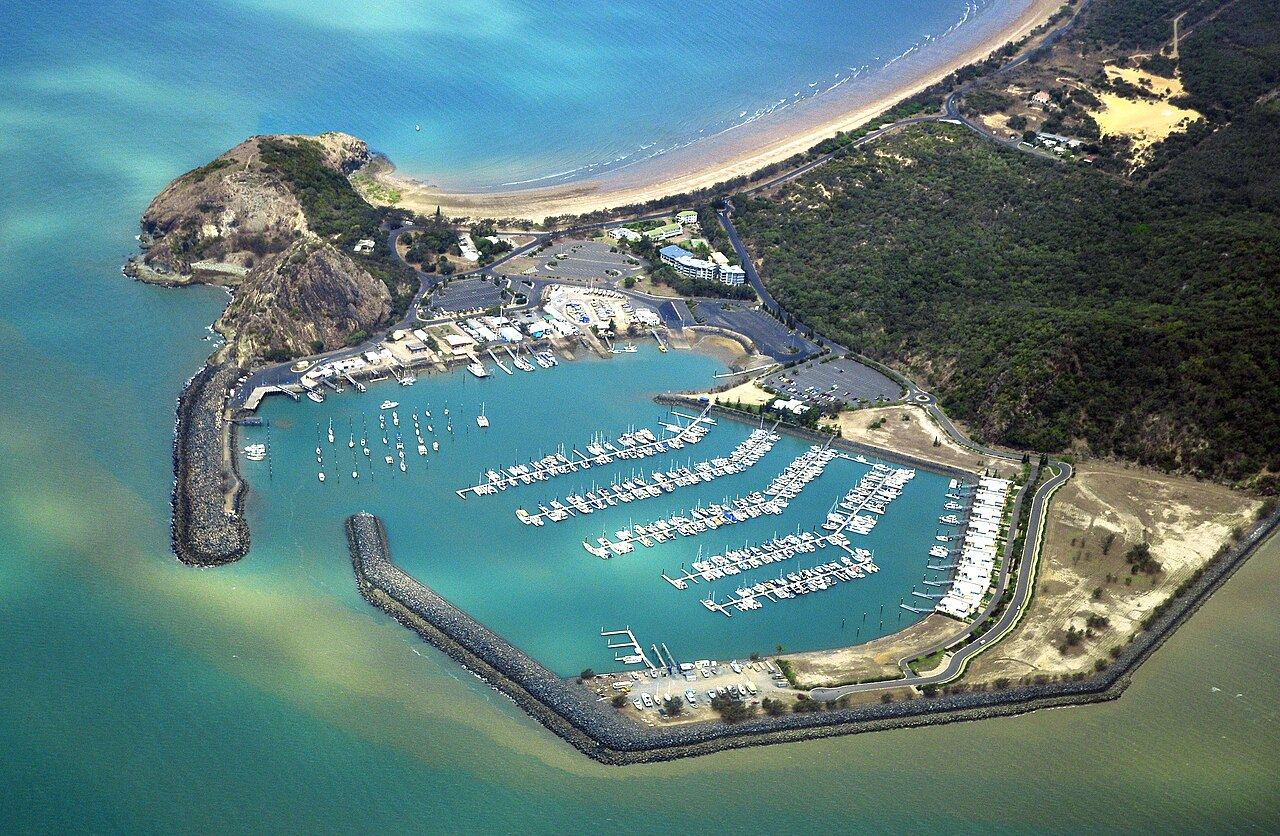
Ask an Australian marina owner how the asset is performing and you will usually get an occupancy figure. Ask what the marina earns per metre of berth, what proportion of contracted berths sat physically empty last month, or how much casual revenue was never invoiced, and the room goes quiet. That gap is where the profit lives. Our entire asset management mandate is built on two numbers — maximum occupancy and maximum profit — and this is how we move them.
"Full" is not the same as fully utilised
A marina at ninety-five per cent contracted occupancy can still have a quarter of its water physically empty on any given night. Owners cruise, boats go to refit, vessels are sold and berths sit vacant for weeks before a new licence starts. That water is already built, already insured, already staffed and already costing the owner money. It is the single most under-exploited asset in Australian marinas.
Releasing that idle time as temporary sublet nights turns dead water into high-margin revenue without a dollar of capital expenditure. Done properly the licence holder shares in the income, which means the program lifts retention at the same time it lifts revenue. The operational requirement is honest availability data — you cannot sell a berth you are not certain is empty, and no spreadsheet has ever been certain.
- Track physical occupancy alongside contracted occupancy, nightly
- Capture planned absences at licence renewal and during dockmaster rounds
- Publish real availability so visitors and brokers can book without phoning
- Share sublet income with the licence holder to drive participation and loyalty
Re-price to the fleet on the water, not to last year's tariff
Most marina rate cards are last year's rate card plus CPI. The fleet, however, has changed: multihulls are longer in beam, motor yachts draw far more shore power, and the demand curve by length overall no longer matches the berth inventory that was built twenty years ago. The result is predictable — premium berths under-priced, awkward berths over-priced and permanently vacant, and a rate card nobody can defend in a negotiation.
A proper re-pricing exercise rebuilds the card by length band, beam, hull configuration, power draw, berth quality and access, then benchmarks each band against comparable facilities in the same catchment. In our experience the exercise is close to revenue-neutral on paper and materially positive in practice, because the hard-to-let berths finally clear and the best water finally earns what it is worth.
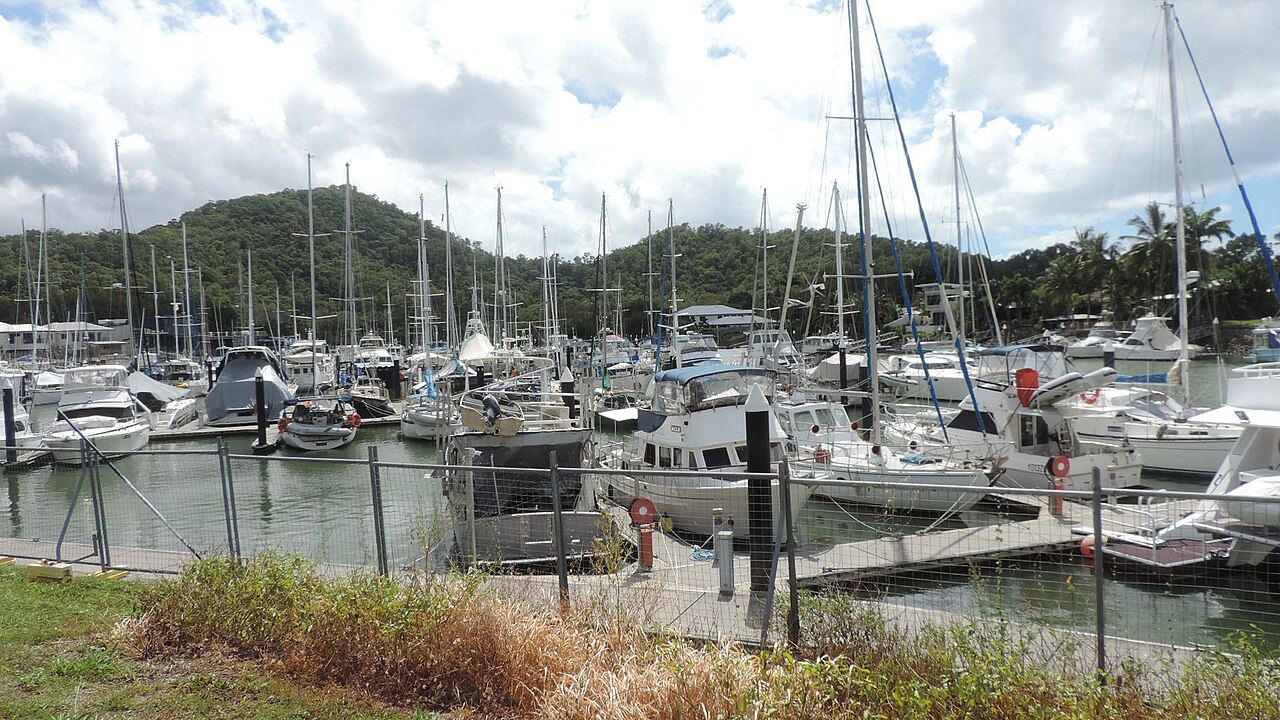
Stop the leakage before you chase new revenue
Before an owner spends a cent on marketing, the money already earned should actually arrive. Marina revenue leaks quietly and constantly: casual nights taken by radio and never invoiced, unmetered or unbilled shore power, hardstand days that run past the quoted period, annual increases that were never applied, contractor access that was waved through, and arrears that age past ninety days because nobody owns the follow-up.
Each leak is individually small and collectively significant. The fix is systemic rather than heroic — every movement on the water creates a record, every record carries a charge, and every charge is invoiced automatically. That is precisely why we run our marinas on BerthPoint: the dockmaster's round on an iPad becomes the billing trail.
- Reconcile physical arrivals and departures against invoices weekly
- Meter and bill power and water rather than absorbing them in the berth fee
- Automate annual escalations and insurance currency checks
- Age arrears visibly and escalate on a fixed calendar, not by memory
Ancillary margin separates a profitable marina from a full one
Berth income alone rarely produces the return an owner expects from waterfront property. The stronger performers earn a meaningful share of net operating income from everything around the berth: fuel, pump-out, hardstand and travelift, storage cages, trailer and tender parking, contractor access and permits, laundry and amenities, and visitor packages bundled with an attached marina hotel.
Ancillary income also compounds retention. A licence holder who fuels, lifts, stores and services in one place does not price-shop the berth in isolation, because the switching cost is no longer just the berth.
Marketing a marina is not marketing a shop
Occupancy is a marketing outcome before it is an operations outcome, and most Australian marinas have no demand engine at all. There is no live availability online, no targeting by vessel size against the berths that are actually vacant, weak local search and maps presence, and an enquiry process that takes three days to answer the only two questions a boat owner has: do you have a berth my size, and what does it cost.
The engine we build targets demand to the inventory — brokers, dealers, yacht clubs, class associations, delivery skippers and refit yards moving vessels into the region — and then shortens the path from enquiry to signed licence to hours. Instant fit check, live availability, digital licence agreement, safety management plan and welcome pack issued automatically, payment taken on the spot.
- Publish berth availability by length band and keep it accurate
- Own local search and maps for your catchment and for visiting cruisers
- Target the fleet that fits your vacant water, not boat owners generally
- Measure conversion from enquiry to licence, not enquiry volume
Protect the asset, because closed berths cannot be sold
An arm closed for unplanned pile repair is not a maintenance problem, it is a revenue problem with a compliance tail. Condition-rated asset registers and a staged, costed ten-year capital plan let owners renew ahead of failure, keep every berth lettable, and hold a defensible position with insurers and regulators.
Unplanned failure is always the most expensive path: emergency contractor rates, lost berth income for the duration, displaced licence holders who often do not return, and an incident record that follows the asset into its next valuation or sale.
Report it like an investment
Owners, boards, trustees and lenders should receive net operating income, occupancy by berth band, revenue per metre of berth, arrears ageing, ancillary yield, capital works progress and risk register movement every quarter, in a format that supports a decision. Anything less is a boatyard update, not asset reporting.
That reporting is only credible when it is built from live operational data rather than reconstructed at quarter end. Live data from the jetty is the difference between evidence and estimates.
Talk to our marina asset management team about an occupancy and profit review of your facility, Australia-wide.
Category tags