
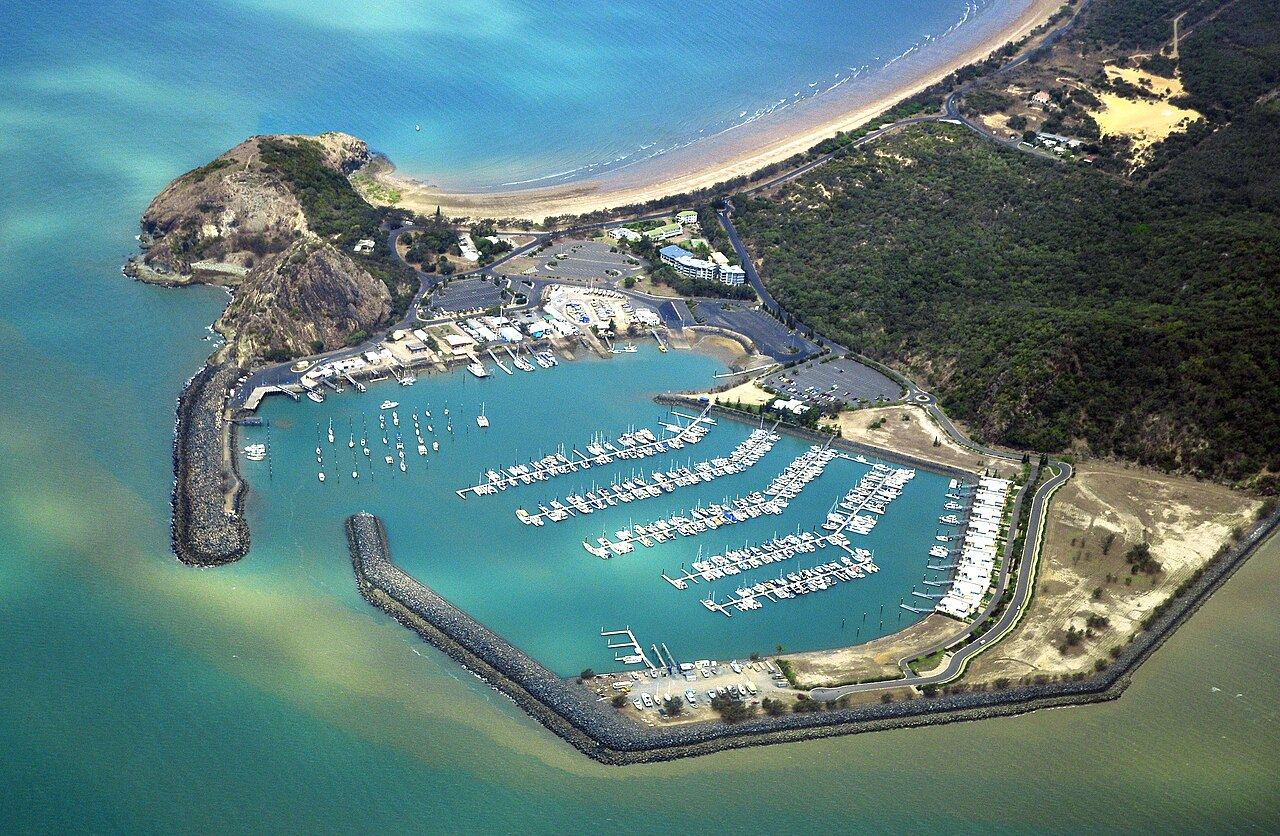
Australia's largest marina portfolios have changed hands twice in under a decade. The d'Albora network — ten marinas and berthing for more than 2,700 vessels — went from Ardent Leisure to a Goldman Sachs and Balmain Corporation vehicle in 2016 for $126 million, and on to MA Financial for $225 million in 2023 to seed a listed marina fund. Every one of those owners is a first-class financial asset manager. None of them was built to manage a timber and concrete structure standing in salt water on a 25-year design life. That distinction is the single biggest unmanaged risk in Australian marinas, and it is the reason berth holders, councils, clubs and private owners keep getting surprised by levies, closures and regulators. This article sets out exactly where the gap sits, the evidence that it is already costing Australian owners money and tenure, and what an operator-led asset management model does differently.
Two different jobs wearing the same name
In Australian marinas, 'asset management' means two entirely different disciplines that share a job title. Financial asset management is fund work: acquisition, capital structure, valuation, distributions, reporting to unit holders and planning an exit. Physical asset management is engineering and operations work: condition rating every pile, pontoon, gangway, service pedestal and fire asset, modelling remaining life, monitoring sedimentation, staging capital works, and holding the compliance evidence that keeps a lease or Crown licence intact.
Owners assume the second job is included in the first. It usually is not. A fund manager's reporting pack tracks net operating income, occupancy and cap rate. It will not tell you that the outer pile on B arm has lost section, that the fairway has shoaled 400mm since the last survey, or that a fire hose reel has been out of test for two years. Those are the things that close berths.
The evidence: what happens when nobody owns the physical asset
This is not theoretical. Four Australian examples from the last two years show the same failure pattern in different states.
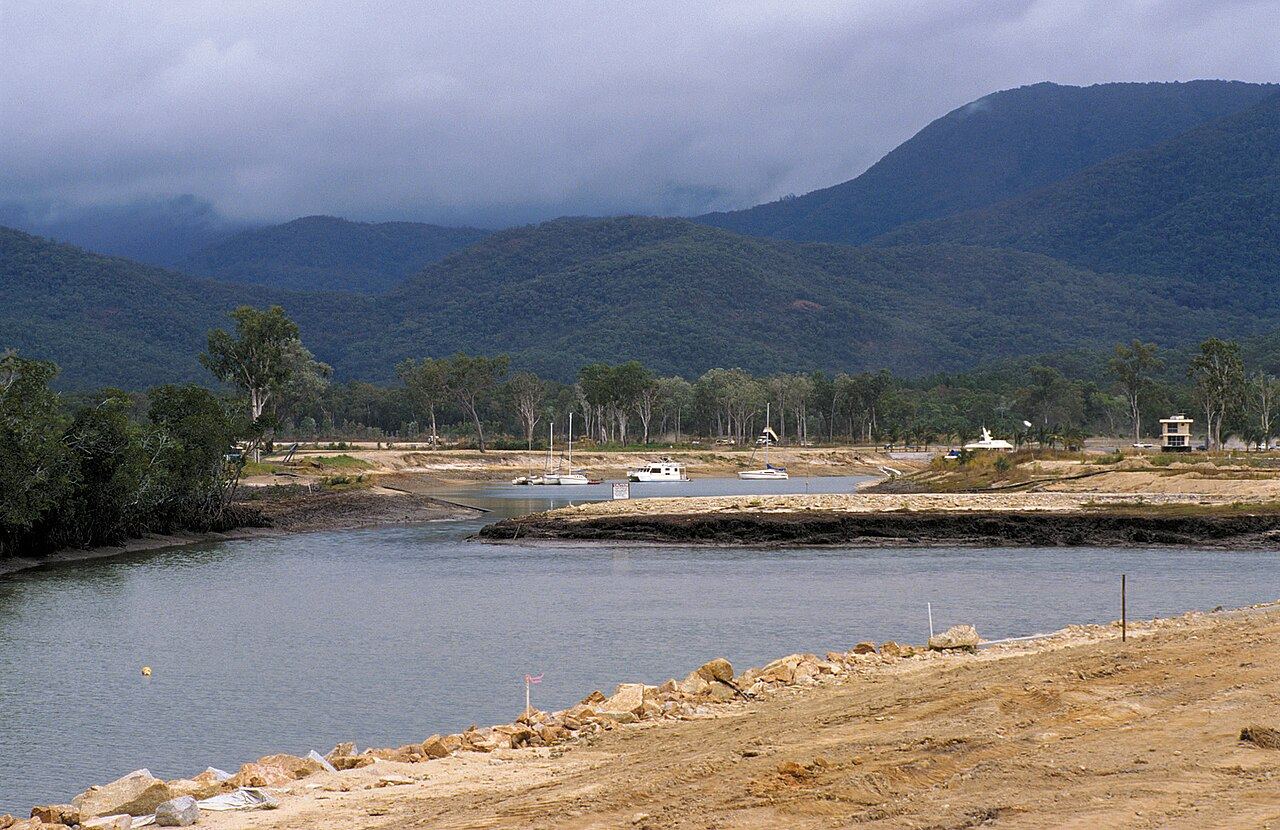
- Yorkeys Knob and Bluewater, Cairns (2025): Cairns Regional Council issued a special dredging charge to Bluewater berth owners and residents for dredging the Yorkeys Knob leads, with an estimated $12 million of work required. More than 70 people attended a private council session and a public petition followed. Sedimentation had been accumulating for years; the bill arrived all at once.
- Dockside Marina, Brisbane (2024): the Queensland Department of Resources took the marina's lessee to the Land Court seeking to terminate the lease over safety hazards left unrectified for several years, while tenants reported maintenance fees rising sharply over the same period. Deferred maintenance became a tenure risk, not just a repair bill.
- Fremantle (2025): new wharf and mooring rates were described by commercial customers as a cash grab. Fee increases without a visible link to asset spend destroy the customer relationship even when the increase is justified.
- Southport Yacht Club, Gold Coast (2025): arms commissioned in 1986, 1998 and 2008 reached the minimum 25-year design life set out in AS 3962:2020, forcing a staged arm-by-arm maintenance overhaul, boat repositioning and member information nights. Handled openly, but only because the club confronted the lifecycle question directly.
Why the design-life clock is the real story
AS 3962 sets a minimum 25-year design life for marina structures. A large share of Australia's marina stock was built or substantially upgraded between the mid-1980s and 2008, which means much of the national fleet of pontoons, piles and gangways is at or past that mark right now. Renewal is not a maintenance decision, it is a capital programme measured in millions per arm, and it has to be staged so the marina keeps trading through it.
A financial asset manager holding an asset on a five to seven year investment horizon has a structural incentive problem here: the renewal cost lands inside the hold period, the benefit accrues to the next owner, and deferring it is the easiest way to protect a distribution. That is not malice, it is arithmetic. It is also precisely why the physical asset plan should be prepared by someone with no distribution to protect.
The five failures we find most often in Australian marinas
Across condition audits, due diligence and operator reviews, the same five gaps come up in facilities of every size and ownership type.
- No rated asset register. There is a maintenance log, sometimes a spreadsheet, but no component-level register with condition ratings and remaining-life estimates that can be converted into a costed capital plan.
- Dredging treated as an event. No fixed bathymetric survey cycle, no sedimentation rate, no sinking fund — so the day the entrance shoals it becomes a special levy and a dispute.
- Compliance evidence that cannot be produced. Fire assets serviced but not recorded, dock walks done but not documented, contractor permits issued verbally. The work happened; the proof did not, and a lease audit only accepts the proof.
- Tariffs set by history. Last year plus CPI, with no re-rate by LOA band, beam, power draw or berth quality, so premium berths subsidise hard-to-let ones.
- No berth-holder transparency. Increases announced without a statement of what was inspected, repaired or scheduled. This is the trigger for almost every marina fee dispute that reaches the press.
The niche: operator-led asset management, independent of the owner
The service Australian marinas are missing is not another advisory report. It is a manager that holds three things at once: engineering judgement about the structure, the marine capability to actually execute the work, and a software platform that produces the evidence trail continuously rather than at audit time.
That combination is rare because the market is split. Fund managers have capital and no on-water capability. Consultants produce reports and hand you a tender list. Contractors do the work but have no mandate over the whole asset. Every handoff costs money and time, and each party can point at the next when something fails.
- Condition audits above and below water, with a pile-by-pile rated register and remaining-life estimates against AS 3962.
- A ten-year costed, staged capital plan with a sinking-fund model, so renewal and dredging are budgeted lines rather than emergencies.
- Bathymetric monitoring on a set cycle with a sedimentation rate and a campaign trigger point.
- Execution capability in-house: dredging, pile and structural works, vessel relocation during staged arm closures, and dockmaster resourcing.
- WHS, fire asset and environmental compliance recorded in BerthPoint with photographs, timestamps and one-click export for a lease or insurance audit.
- Quarterly owner reporting in investment format — NOI, occupancy by berth band, revenue per metre, arrears ageing, capex progress and risk movement — plus a plain-English berth-holder statement.
What transparency does to the fee conversation
Every fee dispute we have reviewed in Australia has the same shape: a large increase, a short letter, and no account of where the money goes. Berth holders are not unreasonable about paying for dredging or pontoon renewal. They are unreasonable about paying for something they cannot see, from an owner they never meet.
When the marina can publish what was inspected this quarter, what was repaired, what the levy funds, and what is scheduled next — generated from the same system the dockmaster uses every morning — the conversation changes from a grievance to a plan. That is a retention and revenue outcome, not just a communications one.
How to test your current asset manager
Ask for these six items in writing. If any cannot be produced within a week, the physical asset is not being managed, regardless of how good the financial reporting looks.
- The component-level asset register with condition ratings and dates of last inspection.
- The remaining design life of each berth arm and the year each is programmed for renewal.
- The last three bathymetric surveys and the calculated sedimentation rate.
- The ten-year capital plan with costs, staging and the funding source for each item.
- The current fire asset service register and the last twelve months of documented dock walks.
- The berth-holder communication issued with the most recent fee increase.
Our position
Sydney Marine Logistics manages marina assets for private owners, councils, Crown lessees, clubs, funds and lenders across Australia. We are not a fund and we do not hold an interest in the assets we manage, so the capital plan we recommend is the one the structure needs. We hold the marine capability to execute it, and we run BerthPoint so the condition, compliance and revenue record is produced as the work happens.
If you own, lease or lend against an Australian marina and cannot answer the six questions above today, that is the place to start. The audit is a fixed scope, the findings are yours regardless of whether you engage us for the works, and it usually pays for itself in recovered revenue leakage before a single pile is touched.
Request a marina asset review: a condition and revenue assessment of your facility with a costed ten-year capital plan. Australia-wide, owner-side, and independent of any fund. Send us your berth count and location and we will scope it in writing within one business day.
Category tags