
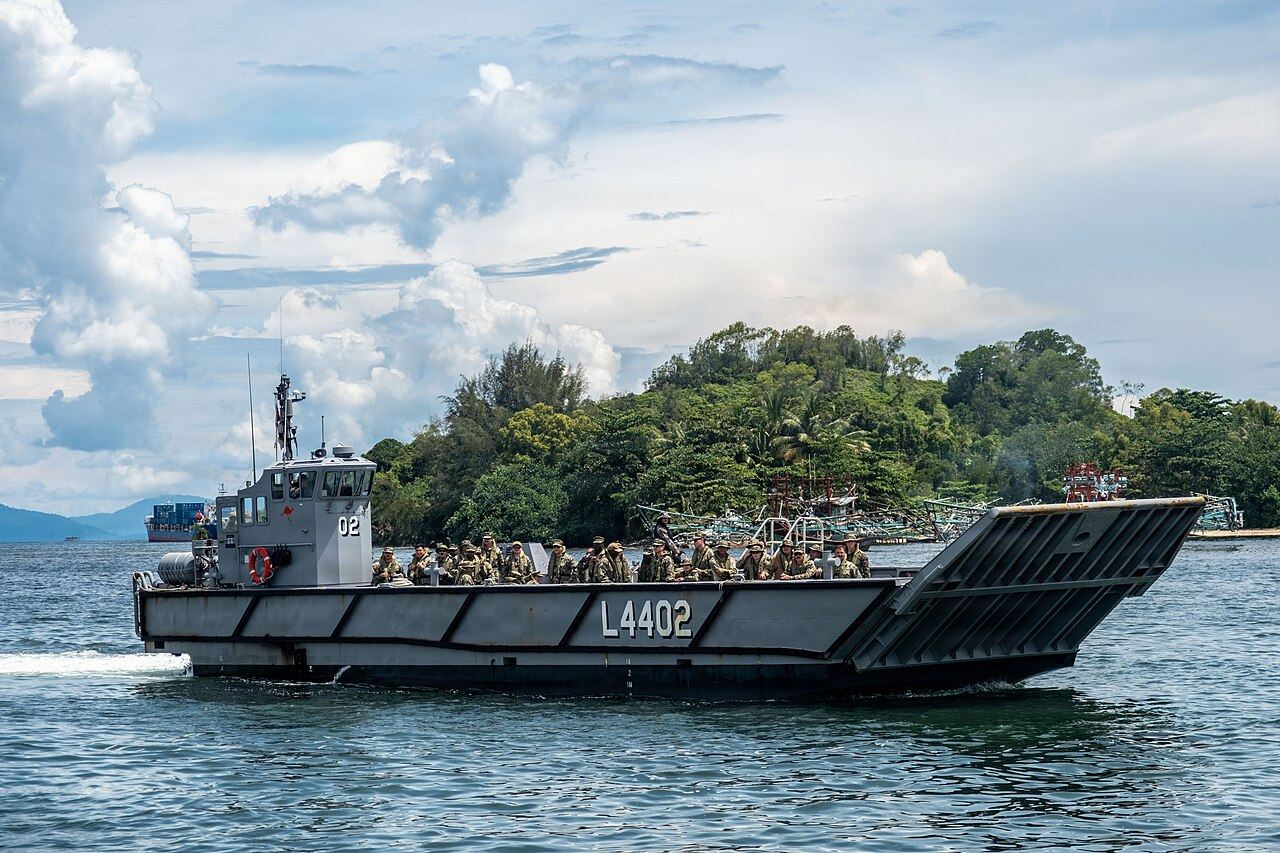
Australia has roughly 34,000 kilometres of mainland coastline, more than 1,000 marinas and boat harbours, and thousands of waterfront properties, islands, wharves, construction sites, marine farms and tourism operations that can only be reached properly by water. Marine logistics is the discipline that moves people, freight, plant and vessels across that water safely, legally and on time — and the shore-side operation that makes those movements possible. It is not the same thing as shipping, and it is not the same thing as a charter boat. This guide sets out every branch of marine logistics as it is actually practised in Australia, what each one costs to run, the survey, crewing and insurance rules that sit behind it, and the questions to ask before you hand anyone a purchase order.
What marine logistics actually covers
The term gets used loosely. In practice, Australian marine logistics breaks into six distinct workstreams, each with its own vessels, tickets, insurances and cost structure. A firm that is genuinely good at one is not automatically capable in another, and the fastest way to a bad outcome is assuming otherwise.
- Passenger transfers — crew changes, contractor movements, island staff rotations, guest and VIP transfers, event shuttles. Requires a survey-2 or 1D passenger vessel, a master with the right ticket for the operational area, and a documented safety management system.
- Waterfront freight — building materials, plant, machinery, tanks, spa baths, scaffolding, landscaping supplies and general cargo delivered by barge or landing craft to sites with no road access.
- Vessel relocation and delivery — moving a vessel from A to B, either on her own bottom with a delivery skipper and crew, or by road on a trailer or low loader with cradles, escorts and permits.
- Marine plant and dredging support — crew boats, workboats, spoil barges, anchor handling, survey support and shore logistics for dredging and marine civil campaigns.
- Crewing and staffing — supplying ticketed masters, coxswains, deckhands, dockmasters and yard staff into someone else's operation, either short-term or on a rolling basis.
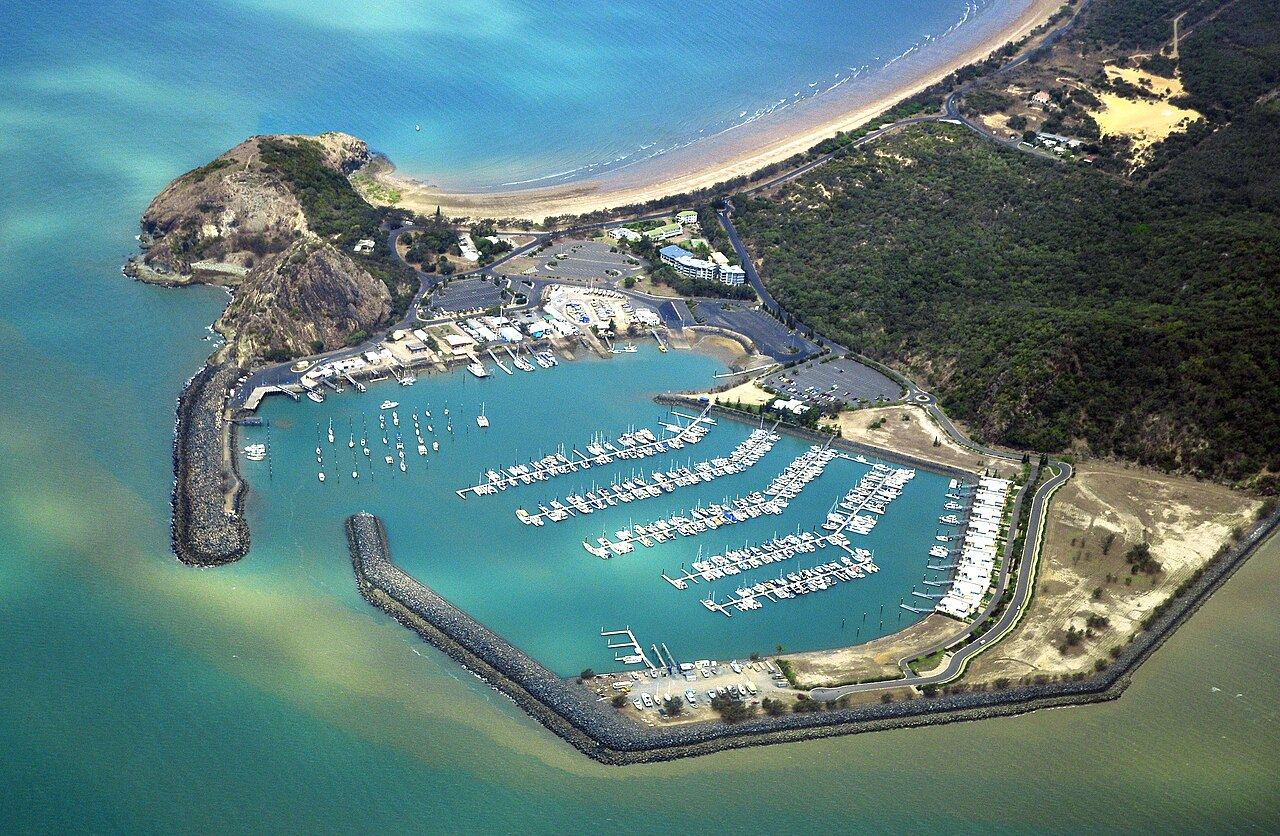
- Marina and wharf operations — the shore-side half of logistics: berth allocation, arrivals, contractor permits, fuel and utilities, WHS, and the software that ties it together.
Passenger transfers: the rules that decide the price
Every commercial passenger movement in Australian waters sits under the National Law and the National Standard for Commercial Vessels, administered by AMSA. The vessel must hold a current certificate of survey for the class of operation, the master must hold the certificate of competency for the vessel size and operational area, and the operator must hold a certificate of operation supported by a safety management system that is more than a folder on a shelf.
Three variables drive what a transfer costs. First, vessel class: a 2C survey vessel rated for 12 passengers in partially smooth waters is a completely different asset to a 1D vessel rated for offshore work with 30 aboard. Second, positioning: if the vessel has to run two hours to reach your pickup point, you are paying for that whether the meter says so or not. Third, timing: crew changes cluster at dawn and dusk, and a 5am departure means crew penalty rates and an overnight vessel position.
The operators who quote cheapest are usually the ones who have not priced positioning or the second crew member. That gap shows up later as a variation, or worse, as a vessel that turns up with one person aboard and no chance of managing a man-overboard.
Waterfront freight: barges, landing craft and why road access changes everything
A large share of Australian waterfront property has either no road access at all or access so constrained that a truck cannot physically make the delivery. Pittwater, the Hawkesbury, the Georges River, Sydney's harbourside easements, the Whitsunday islands, Moreton Bay, the Gippsland Lakes and hundreds of kilometres of Tasmanian and South Australian coast all fall into this category.
The workhorse is the landing craft: a flat-decked vessel with a bow ramp that drives onto a beach, a boat ramp or a rock shelf and discharges straight onto the site. For heavier or bulkier loads you move to a deck barge with a tug, and for lifts you add a crane barge. Deck strength, ramp width, tidal window and the state of the landing are the four things that decide whether a job is straightforward or impossible.
- Tide is the hidden constraint. A beach landing may only be workable for three hours either side of high water, which sets the whole day's programme.
- Deck load ratings are not negotiable. A 12 metre landing craft typically carries 8 to 15 tonnes; a small deck barge 40 to 100 tonnes. Overloading a deck is how people drown.
- Dangerous goods — fuel, gas bottles, batteries, paint, chemicals — trigger IMDG segregation, declarations and placarding, even on a short harbour run.
- Site access on the receiving end matters as much as the vessel. Somebody has to move the pallet off the beach, and that is a logistics question, not a boating one.
- Environmental approvals apply to beach landings in many councils and marine parks. Landing repeatedly on the same seagrass bed will end in an infringement.
Vessel relocation: on her own bottom or on a truck
Every relocation decision comes down to a simple comparison. Moving a vessel on her own bottom costs fuel, crew, victualling, insurance loading for the passage, marina fees along the route and the risk that weather adds days. Moving her by road costs the haulier, the lift in and lift out, cradles, escorts, permits and any mast unstepping. As a rough rule in Australia, coastal passages under about 300 nautical miles in a vessel that is already in commission favour the water; anything crossing the Bight, or involving a vessel that is not passage-ready, usually favours the truck.
Whichever route you choose, the paperwork is the same discipline. A written passage plan with weather windows and bolt holes, a condition report with photographs at handover and at delivery, confirmation that the owner's hull policy covers delivery crew and the intended waters, and a named skipper with a current ticket for the vessel size and operational area. Every delivery dispute we have ever been asked to unpick came back to a missing condition report or an insurance policy that quietly excluded delivery passages.
What marine logistics costs in Australia
There is no meaningful published rate card in this industry, because almost nothing is a standard job. What you can do is understand the cost drivers so that you can read a quote properly and compare two of them fairly.
- Vessel day rate — driven by survey class, deck capacity, fuel burn and crew numbers, not by the length of the boat.
- Crew — a second crew member is a safety requirement on most commercial work, not an upsell. After-hours, weekend and public holiday loadings apply.
- Positioning and standby — the time the vessel spends getting to you and waiting on your site is real cost. Ask for it to be quoted as a separate line so you can manage it.
- Tide, weather and stand-down — who wears the cost of a day lost to weather should be written down before the job, not argued afterwards.
- Shore-side handling — cranes, forklifts, traffic control and site labour are frequently the largest single line and the one most often forgotten at quote stage.
- Compliance overhead — survey, insurance, SMS maintenance and crew currency are a genuine cost of doing this lawfully. An operator who is not carrying them is not cheaper, they are uninsured.
The compliance floor: what any operator you engage must hold
If you take one thing from this guide, take this list. It is the minimum we hold ourselves to and the minimum we require of every operator in our network, and it takes ten minutes to verify before you engage anyone.
- Current AMSA or state certificate of competency for the master, matched to vessel size and operational area.
- Current certificate of survey and certificate of operation for the vessel and the class of work.
- Public and products liability of at least $20 million, plus hull and P&I cover appropriate to the vessel.
- A safety management system that names the person in charge, the emergency contacts and the stop-work triggers.
- Workers compensation for every person aboard, and superannuation paid on time. Sham contracting is endemic in parts of this industry and it becomes your problem after an incident.
- SWMS and inductions completed before mobilisation, not signed on the wharf while the crane waits.
How to buy marine logistics without getting burnt
Scope the outcome, not the vessel. Tell the operator what has to be where, by when, in what condition, and let them tell you what plant it takes. Buyers who specify a vessel type usually specify the wrong one, and then pay for a second mobilisation.
Insist on one point of contact who is accountable for the whole movement. Most failures in this industry are handovers: the barge arrives and the crane does not, the vessel is ready and the permit is not, the crew changes at midnight and nobody told the marina. A single operator holding the whole chain removes the seam where those failures live.
Finally, ask who actually answers the phone at 4am. Marine work goes wrong in the dark, on a falling tide, in weather. The difference between a bad night and a claim is whether a competent person picks up.
Tell us what has to move, where it has to go and when. We will scope the vessel, the crew and the shore-side handling, and price the whole movement as one job, Australia-wide.
Category tags