
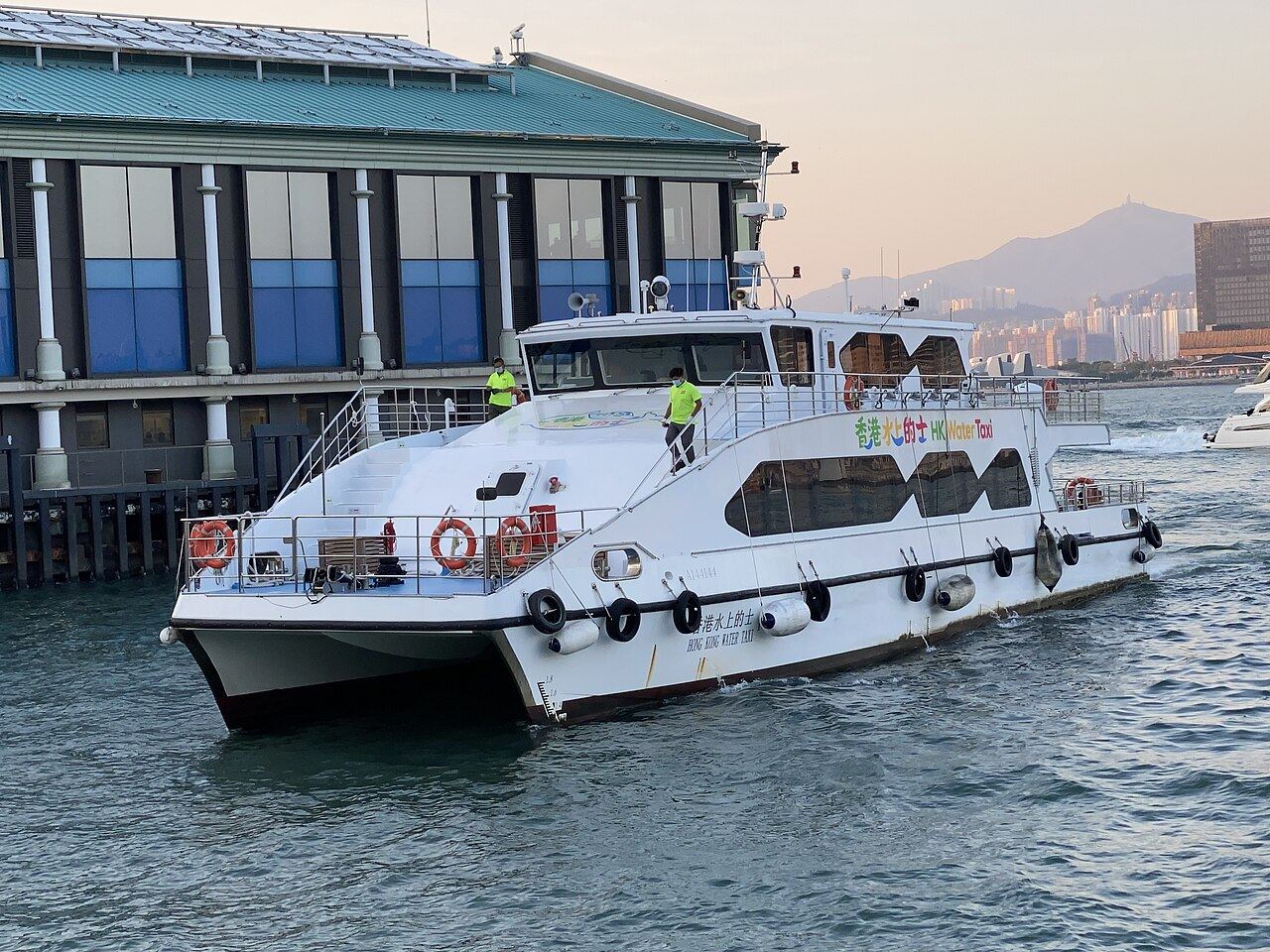
Australia's marine industry is short of people, and the shortage is worst exactly where the risk is highest: ticketed masters and coxswains, experienced deckhands, and dockmasters who can run a busy marina on a summer Saturday without an incident. That pressure pushes operators into hiring quickly, and quick hiring in this industry has a very specific failure mode — the wrong certificate for the vessel or the area, currency that lapsed, or a contracting arrangement that makes the hirer liable for entitlements nobody paid. This is what we check before anyone goes on one of our jobs, and what you should check before anyone goes on yours.
Match the certificate to the vessel and the area
Under the National Law, an Australian certificate of competency is defined by vessel size, propulsion power and the operational area the vessel works in — inland, smooth, partially smooth, offshore, and the distance limits attached to each. A ticket is not a general licence to drive boats. It is permission for a specific band of vessel in a specific band of water.
The practical consequence is that a coxswain qualified for a workboat inside a harbour is not qualified for a passenger run outside the heads, and a master certificate obtained for a different tonnage band does not stretch. If a crewing supplier cannot tell you the certificate grade, the vessel limit and the area limit in one sentence, they have not checked.
- Coxswain Grade 1 and Grade 2 — small vessels, defined near-coastal and smooth or partially smooth limits.
- Master under 24 metres and Master under 35 metres near-coastal — the backbone tickets for Australian charter, workboat and delivery work.
- Marine Engine Driver grades — required once engine power crosses the relevant threshold, and routinely forgotten when a bigger workboat comes into the fleet.
- Currency and medical — certificates need supporting currency and a current medical. Both expire quietly.
- Additional endorsements for passenger vessels, fast craft and specific operations.
Contractor or employee: the question that decides who pays
Marine crewing runs heavily on ABNs, and a large share of those arrangements would not survive scrutiny. If you direct when and how someone works, provide the vessel and the equipment, set the roster and expect them personally to do the work, you are very likely engaging an employee no matter what the invoice says. That brings award or agreement rates, superannuation, leave entitlements, payroll tax and workers compensation with it.
The exposure is not theoretical. Unpaid superannuation is recoverable from the engaging entity with penalties, and a worker injured on your vessel without workers compensation cover becomes a direct claim against you. I have personally been on the receiving end of an operator who did not pay superannuation for two years, and it is the single reason we now audit this before anyone works behind our name.

What a proper crew file contains
Every person we put on a job has a file that can be produced to an auditor, an insurer or a regulator in under a minute. It is not bureaucracy; it is the difference between an incident and an uninsured incident.
- Certificate of competency, with grade, limits and expiry, sighted as an original or verified copy.
- Current medical certificate where required for the ticket.
- Photo identification and right to work in Australia.
- First aid, and where relevant advanced resuscitation and fire fighting.
- Vessel-specific and site-specific induction, dated, including the safety management system briefing.
- Insurance position — covered by our workers compensation as an employee, or their own certificate of currency plus workers compensation if genuinely a contractor.
- Two contactable commercial references, actually called.
- Drug and alcohol policy acknowledgement, and fatigue management for overnight and multi-day work.
Dockmasters and marina staff: a different skill set entirely
A good deckhand does not automatically make a good dockmaster. Marina work is customer-facing operations under time pressure: berth allocation and re-allocation, arrivals and departures on a busy tide, fuel and pump-out, contractor permits and inductions, incident response, fire asset checks, and a dock walk that catches the failing pile before the berth holder does.
The best dockmasters we place have three things in common — a ticket, so they can move a vessel when it has to be moved; the patience to deal with an owner who is having a bad day; and the discipline to record what they saw. Everything else can be trained.
Keeping a crew pool ready instead of scrambling
The operators who never get caught short are the ones treating crew supply as an ongoing programme, not an emergency phone call. That means a pool of pre-vetted people whose documents are already verified and monitored for expiry, a standing induction for each vessel or site so a new arrival is productive on day one, and a written escalation path for peak season and unplanned absence.
We keep exactly that pool, and we hold the documents in our marina platform so that expiry is flagged automatically rather than discovered at a gate. When a marina calls at seven on a Saturday morning because a dockmaster has gone down, the answer is a name and a time, not a maybe.
Questions to ask any crewing supplier
Five questions, and the answers will tell you everything about how they operate.
- What certificate grade and operational limits does this specific person hold, and when do they expire?
- Is this person your employee, and if not, what workers compensation and public liability do they carry in their own name?
- Do you pay superannuation and award or agreement rates, and can you evidence it?
- Who is my point of contact outside business hours, and what is the replacement time if this person does not turn up?
- What happens if there is an incident — who investigates, who reports, and when do I hear about it?
Need a skipper, coxswain, deckhand or dockmaster? Tell us the vessel, the waters and the dates, and we will supply crew with the certificates, currency and cover already verified.
Category tags