
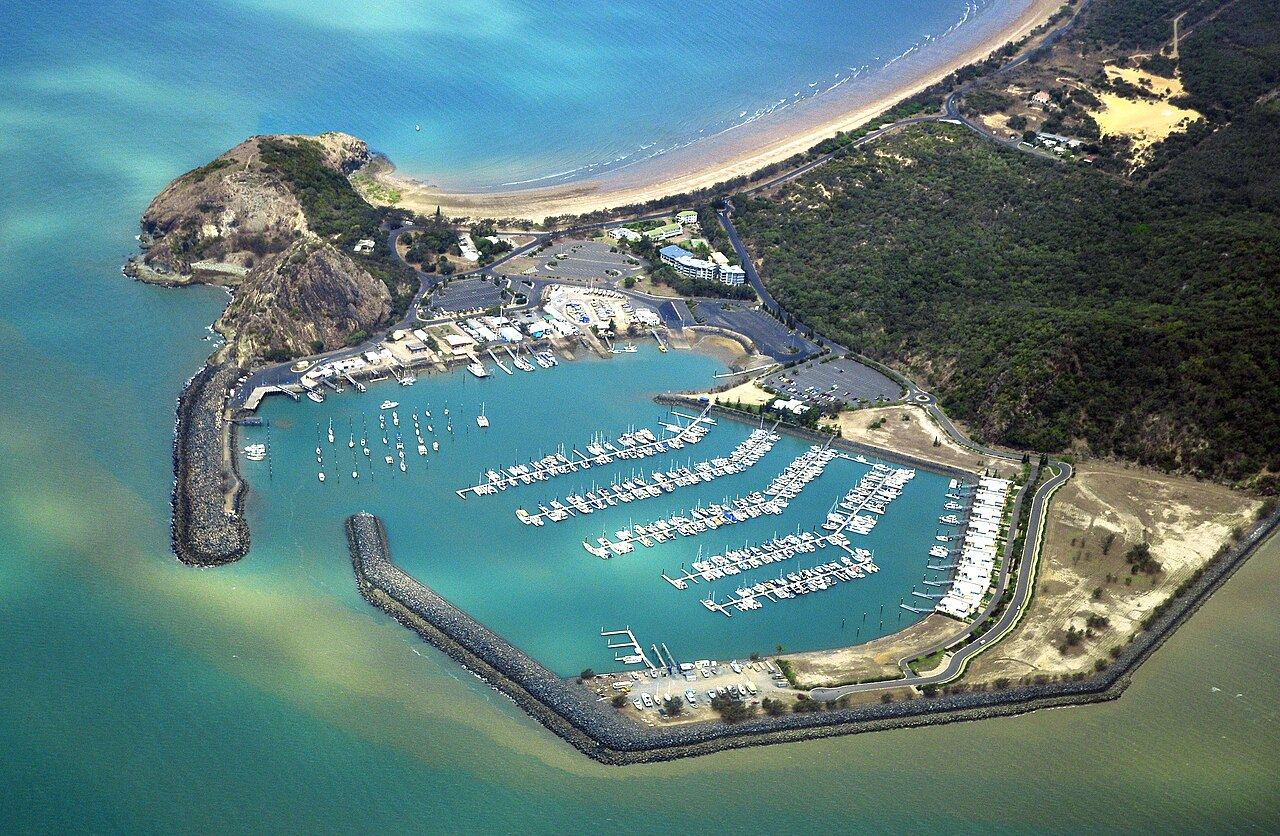
Ask an Australian marina manager how the facility is performing and you will almost always be told the occupancy figure. It is the wrong number. A marina can run at 98 per cent occupancy and still be leaving several hundred thousand dollars a year on the pontoon, because occupancy measures whether pens are full, not whether they are earning what they should. The number that matters is revenue per metre of berthing, and there are eleven levers that move it. Most of them do not involve raising a single advertised rate.
Why occupancy misleads
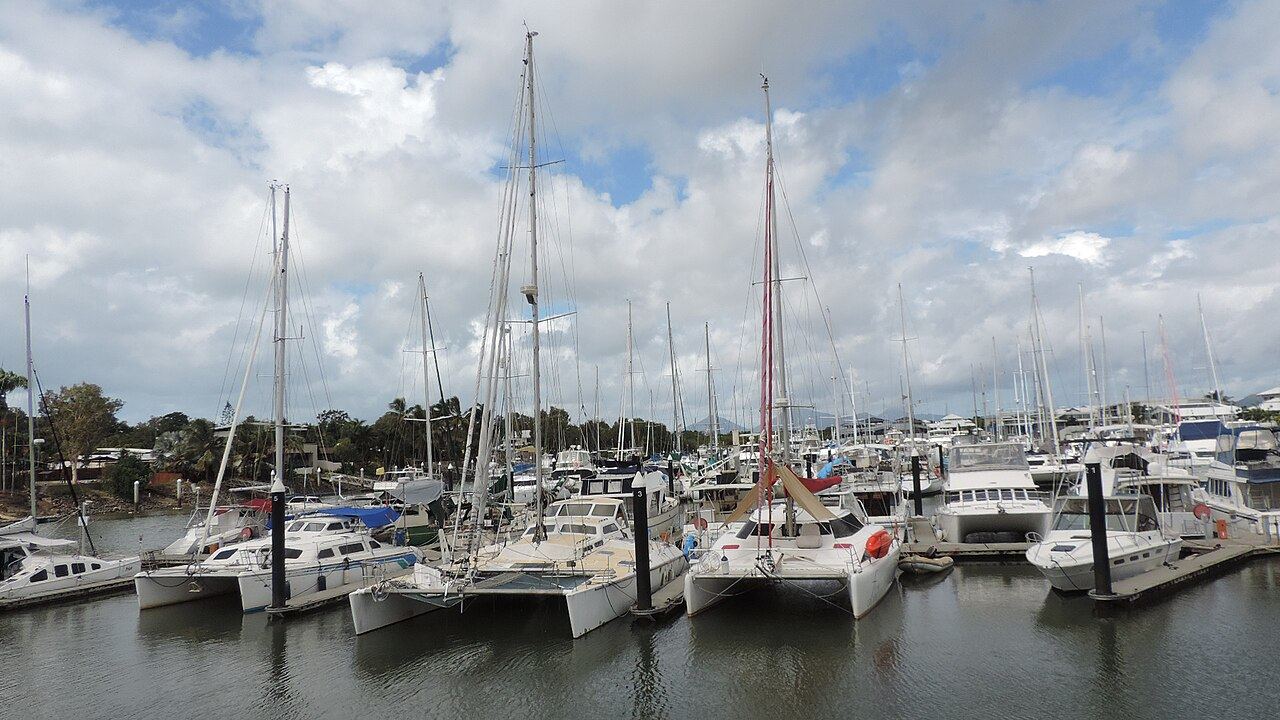
Occupancy treats every metre as identical. It is not. A 12-metre monohull on a sheltered inner arm with three-phase power is a different product from a 12-metre pen on the exposed outer arm with a shallow approach, and a catamaran occupying the space of two monohulls on a single-berth rate is actively destroying yield while showing beautifully in the occupancy report.
Calculate revenue per contracted metre, per month, per arm. The moment you segment that way, the underperforming arms and the mispriced bands appear immediately, and they are almost never where the manager expected.
The eleven levers
In rough order of how much money they typically release for an Australian marina of 150 to 400 berths.
- Re-rate by band, not by CPI. Segment by LOA, beam, depth, arm and services, then price each band against genuine local comparables. This alone is frequently a six-figure correction.
- Charge properly for beam. A multi-hull loading of 25 to 75 per cent, or hammerhead pricing, stops wide vessels being subsidised by everyone else.
- Meter power and water. Unmetered utilities on vessels running air conditioning year-round are a straight transfer from the marina's margin to a handful of tenants.
- Release berths while owners are away. A contracted berth sitting empty for six weeks of cruising is dead space that can earn casual rates without touching the licence holder's tenure.
- Yield-manage casual berthing. Event weeks, school holidays, regattas and long weekends should not be priced the same as a wet Tuesday in June.
- Capture the visitor who cannot find you. Most casual berth demand in Australia is lost because the enquiry never reaches the marina, or reaches it after hours with no way to check fit.
- Convert the waitlist. A managed waitlist with vessel dimensions on file lets you fill a vacancy in a day instead of a month, and every empty day is unrecoverable revenue.
- Reduce arrears with automated billing. Arrears above 3 per cent of annual berthing revenue almost always indicate a manual invoicing process rather than genuinely bad customers.
- Sell hardstand throughput, not hardstand space. Faster lift-to-launch turnaround means more vessels through the same yard each year.
- Charge for contractor access properly. Permits, inductions and insurance verification protect you legally and are a legitimate, modest revenue line.
- Fix the fit problem. Berths left empty because nobody is certain what fits where is the most common and most fixable revenue leak in the country.
The cost side nobody measures
Revenue is only half of it. The recurring cost drivers in Australian marinas that respond fastest to management attention are overtime caused by unplanned work, repeat maintenance on assets that should have been replaced, insurance premiums inflated by an absent compliance record, and administrative hours consumed re-keying the same information into three systems.
The last one is worth quantifying in your own facility. Count the number of times a single casual booking is written down: the phone note, the diary, the whiteboard, the invoice, the accounting system. Five entries for one transaction is normal, and it is entirely avoidable.
Do it without a fight
Every fee change in an Australian marina is a communications exercise before it is a commercial one. Berth holders do not object to paying more; they object to being told to pay more with no explanation. Send the annual notice with a one-page statement of what was inspected, what was repaired, what is scheduled, what the reserve balance is and where the increase is going. Fee disputes that make the newspapers are almost always disputes about respect, not dollars.
Measure it weekly, not annually
The facilities that improve are the ones that see the numbers while there is still time to act. Daily takings by category, revenue per metre by arm, casual nights sold against capacity, arrears ageing, and a rolling eight-week forecast. That is the whole dashboard. BerthPoint produces it from the operational data the dockmaster is already entering, which means nobody has to build a report to find out how the marina is going.
We will run a revenue-per-metre review on your marina, band by band and arm by arm, and show you exactly where the money is sitting. If there is nothing to find, we will tell you that too.
Category tags