
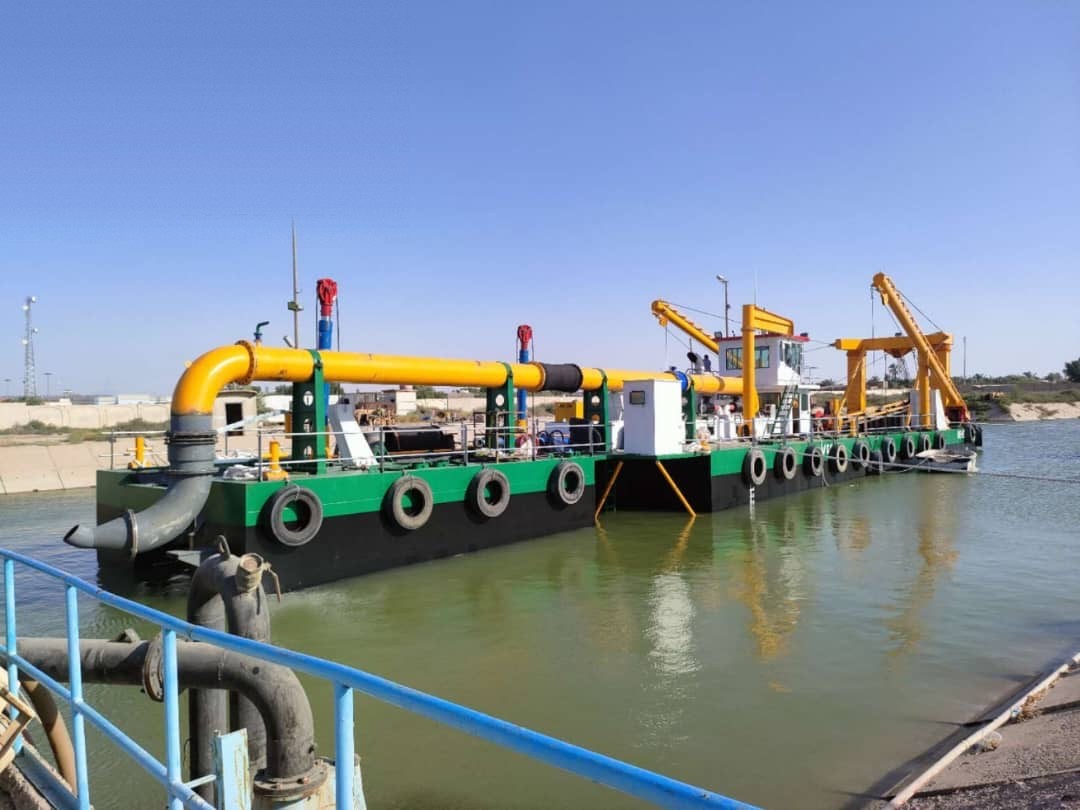
A marina that cannot get vessels in and out at low water has no product to sell. Yet dredging is the line item most Australian facilities defer longest, because it is expensive, slow to approve and invisible until the day a keel touches. Then it becomes a $2 million emergency, a special levy, a petition and a story in the local paper. This article breaks down what dredging actually costs in Australia, what drives those costs, the approvals you need before a cutterhead touches the bed, and the funding model that keeps it out of the emergency column.
Maintenance dredging versus capital dredging
Maintenance dredging removes accumulated sediment to restore a previously approved depth. Capital dredging deepens or widens beyond what has been approved before. The distinction is not academic: it determines your assessment pathway, your sampling requirements, your consultation obligations and, frequently, whether the job takes four months or three years to approve.
If your marina has an existing approved design depth and a documented history of campaigns, you are in maintenance territory and the path is manageable. If you are chasing extra depth to take larger vessels, you are in capital territory and should budget for environmental assessment, sediment quality testing, seagrass and benthic survey work, and a genuine consultation period.
What dredging costs per cubic metre
Australian marina dredging in 2026 typically runs between $35 and $120 per cubic metre in place, and the spread is driven far more by disposal and access than by the dredging itself. A confined marina basin with no adjacent land for dewatering and contaminated fines requiring licensed landfill disposal can exceed $200 per cubic metre.
- Mobilisation and demobilisation: often $80,000 to $400,000 depending on plant size and distance travelled. This is why small annual nibbles cost more per cubic metre than a properly staged campaign.
- Volume: the cost per cubic metre falls sharply above about 20,000 cubic metres, because mobilisation is amortised across more material.
- Spoil characterisation: sediment sampled and found to contain tributyltin, hydrocarbons or heavy metals above screening levels changes the disposal route and can double the total cost.
- Disposal destination: pumping to a beneficial reuse site or a nearby dewatering cell is the cheapest outcome; barging to a licensed offshore ground or trucking to landfill is the most expensive.
- Working around a live marina: night restrictions, vessel movements, noise limits and keeping arms trading while the pipeline runs all add days, and days are money.
The approvals pathway, plainly
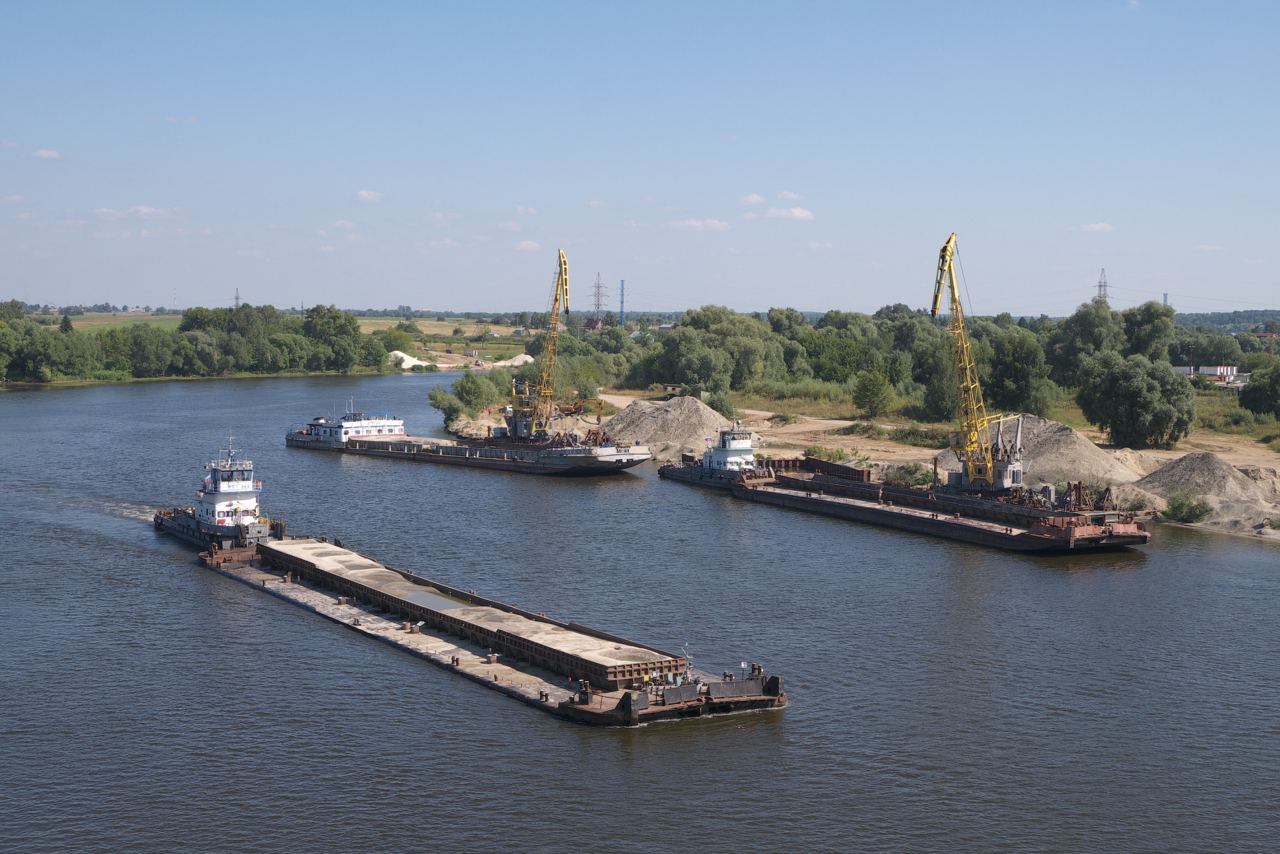
Approvals differ by state, but the sequence rarely does. Expect to work through a combination of state marine or waterway authority consent, environmental assessment under the relevant state planning legislation, sediment sampling and analysis to the National Assessment Guidelines for Dredging where sea disposal is contemplated, a Commonwealth referral if a matter of national environmental significance is engaged, and a licence or approval covering the placement of spoil.
Build the timeline backwards from when you need the plant on site. A maintenance campaign with clean sediment and an established history can be approved in three to six months. Anything involving new depth, contaminated material or seagrass should be planned on an eighteen-month horizon minimum.
Survey first, argue later
The cheapest thing you will ever spend on dredging is a hydrographic survey. A multibeam or single-beam bathymetric survey on a fixed cycle — we recommend every 18 to 24 months for most Australian marinas, annually where a river discharges nearby — gives you three things a spreadsheet cannot: a measured sedimentation rate in millimetres per year, a defensible volume estimate for tendering, and evidence for berth holders that the levy is based on something real.
With two or three surveys on the same datum you can forecast the year the campaign becomes unavoidable, and you can fund it before it arrives.
Fund it with a sinking fund, not a special levy
Every serious dispute we have seen between a marina and its berth holders over dredging comes down to one thing: a large bill arriving without warning. The fix is unglamorous. Take your forecast campaign cost, divide by the years between campaigns, divide by contracted metres, and build it into the annual tariff as a named line — a dredging and capital reserve.
Berth holders accept a transparent, modest annual contribution that is visibly reserved. They do not accept a five-figure invoice with 30 days to pay. The arithmetic is identical; the relationship outcome is not.
- Publish the survey summary and the forecast volume with the annual fee notice.
- Hold reserve funds in a separately identified account and report the balance each year.
- State the trigger depth at which the campaign will be called, so nobody is surprised by the timing.
- Tender the campaign early enough to take advantage of plant already working in your region — shared mobilisation is the single biggest saving available.
Hire, contract or buy the plant
For a marina dredging once every five to eight years, engaging a contractor is almost always correct. For councils, ports, aquaculture operators and multi-site marina groups with recurring annual volumes, owning a small cutter suction dredger changes the arithmetic entirely — mobilisation disappears, timing becomes yours, and the plant retains value. New cutter suction plant sits between roughly US$130,000 for a compact unit and US$1.65 million for a substantial production dredger, and we can arrange supply, commissioning and crew training on either.
Send us your last bathymetric survey — or tell us you do not have one — and we will scope the survey, the volume, the approvals pathway and a funded programme that does not end in a special levy.
Category tags