
← Insights

Marina Fire Safety Compliance in Australia: What Operators Must Hold and Prove

Marina Advisory · 26 August 2026 · 9 min read

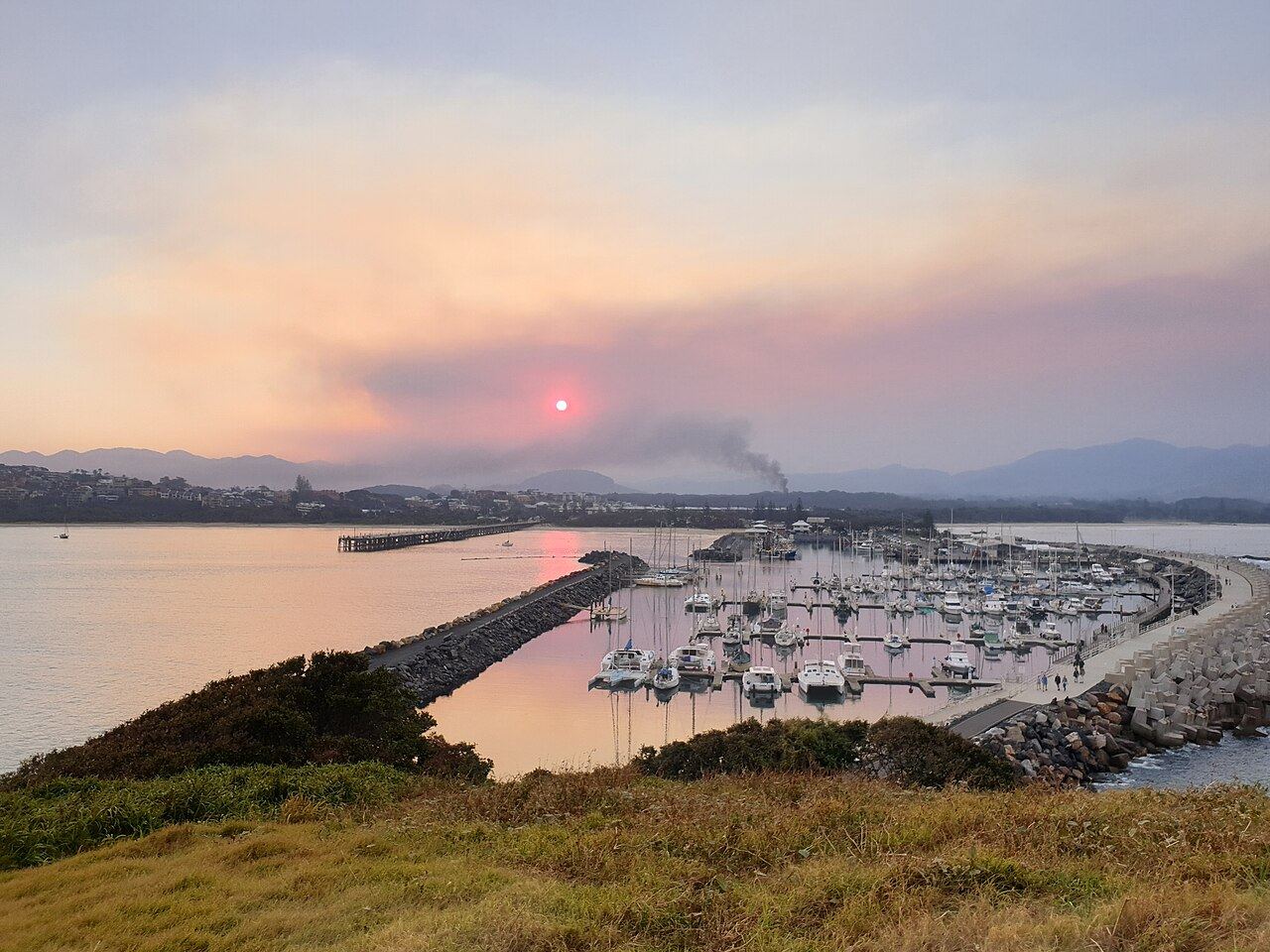
Marina breakwater and berths at first light

A marina is a workplace, a public place and a fuel-storage environment sitting on a combustible structure over water, frequently with people sleeping aboard. Every Australian jurisdiction imposes duties on the person conducting the business or undertaking to eliminate or minimise risk so far as is reasonably practicable, and fire is the risk with the shortest distance between a lapse and a catastrophe. The equipment side is usually handled. The evidence side almost never is, and evidence is what an insurer, a regulator or a lease auditor actually assesses.

The asset register comes first

Before any schedule means anything, you need a complete register of every fire asset on the facility: extinguishers by type and rating, hose reels, hydrants and boosters, fire blankets, life rings and throw lines, emergency isolation points for power and fuel, spill kits, and the location of each one against the marina plan.

The register should record asset type, location, serial or asset number, install date, last service, next service due and current condition. If that register lives in a filing cabinet or a single person's memory, it does not exist for compliance purposes.

Service and inspection intervals

Routine servicing of fire protection equipment in Australia follows AS 1851, and marine environments accelerate corrosion, so the minimum interval is a floor, not a target. A practical marina regime looks like this.

  • Portable extinguishers: six-monthly inspection and service, with pressure test and refill at the interval specified for the extinguisher type.
  • Fire hose reels: six-monthly inspection, annual flow and operation test, with nozzle and hose condition checked for UV degradation.
  • Hydrants and boosters: annual flow testing, with clear and unobstructed access verified at every dock walk.
  • Fire blankets, life rings, throw lines: visual inspection at each dock walk, replacement on any sign of UV or salt degradation.
  • Emergency isolation: quarterly verification that power and fuel isolation points are labelled, accessible and operable.
  • Fuel systems: inspection and testing to the requirements applying to the installation, with spill response equipment checked monthly.
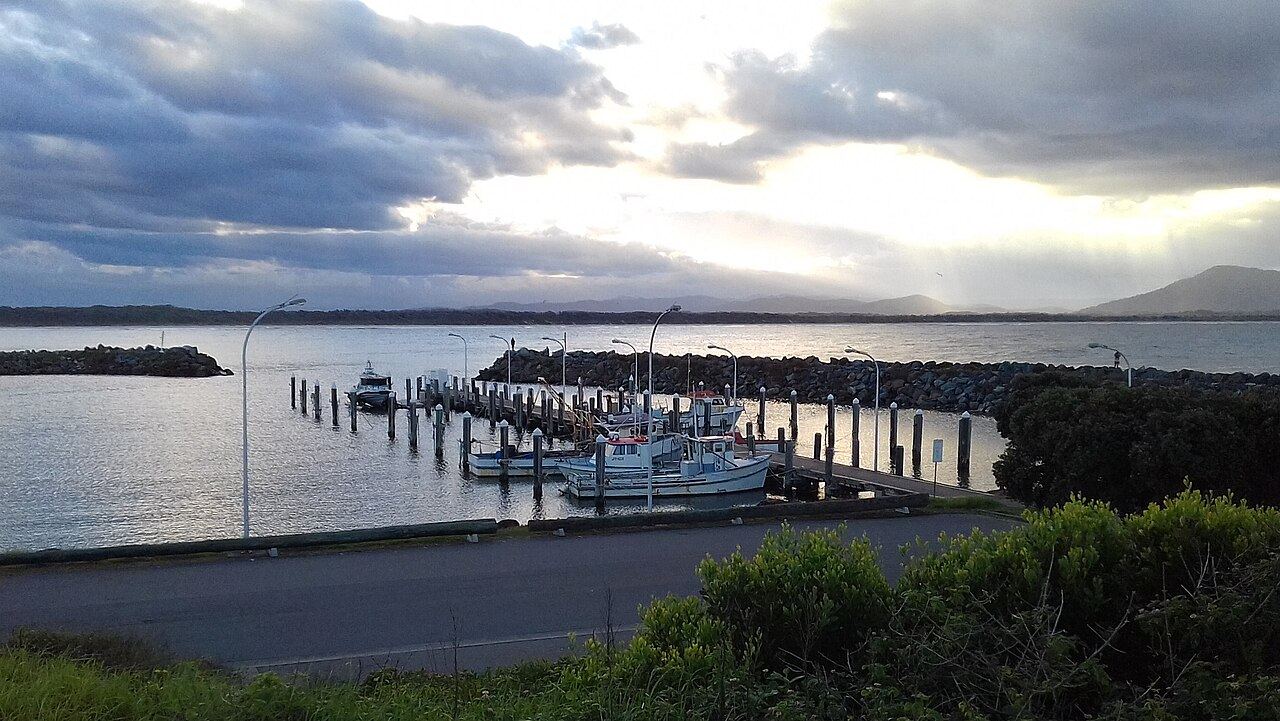
Timber wharf piles and decking on a marine structure

Dock walks are the compliance engine

The formal service schedule catches the equipment. The dock walk catches everything else: a shore lead in the water, an extension cord run from a pedestal, a gas bottle stored in a cockpit locker, a blocked hydrant, a missing life ring, a hot-work contractor with no permit.

Two walks a day, morning and afternoon, with a fixed zone-by-zone route, photographs of anything defective, a timestamp and the walker's name. Done on paper it becomes a drawer of forms nobody reads. Done on a tablet with photographs and GPS-stamped entries it becomes a defensible record and, in our experience, a measurable reduction in insurance friction at renewal.

Emergency planning and the siren

Every marina should hold a written emergency plan covering fire aboard a vessel, fire ashore, fuel spill, severe weather, medical emergency and person in the water, with roles assigned by position rather than by name. Berth holders and casual visitors need to know two things without thinking: what the alarm sounds like, and where to assemble.

Publish the siren signals plainly — a continuous tone for evacuate, intermittent for alert and stand by, and a distinct signal for all clear — and put the emergency contact card in the berthing terms, on the arm gates and in the amenities. Run an annual exercise and record it. An untested plan is a document, not a control.

Contractors are the highest-risk hour of your week

Hot works, battery installations, fuel system work, gas fitting and antifoul stripping are where marina fires start. A contractor should not be on your arms without current public liability, workers compensation, licences relevant to the work, a safe work method statement and a site induction on file, and hot works should require a specific permit with a fire watch period after the work stops.

Collect that documentation before the contractor arrives rather than at the gate. An emailed invite that captures insurances, SWMS and induction ahead of the visit takes minutes and removes the awkward conversation on the jetty entirely.

Could you produce the evidence today?

Here is the test we apply on every compliance review. Ask for the last six months of dock walk records, the current service status of every fire asset, the induction and insurance file for the contractor who worked on B arm last month, and the record of the most recent evacuation exercise. If it takes more than ten minutes to produce all four, the facility has a compliance risk regardless of how well maintained it is.

We audit marina fire and WHS compliance across Australia and set up the record-keeping that survives an audit. Ask for a compliance review and we will tell you exactly what is missing.

Category tags

Fire safetyWHSComplianceMarina operationsAustralia

More insights

Marina Management

Marina Manager Training in Australia: The Qualification Gap

Australia trains skippers, engineers and deckhands to a national standard. It does not train the person running the marina. Here is what the job actually requires and how the good operators learn it.

Vessel Relocation

Boat Transport Sydney to Queensland: Delivery Options, Cost and Timing

The Sydney to Queensland run is the most requested delivery in Australia. Here is how the two options compare on cost, risk and timing, and what determines which one is right for your vessel.

Marina Software

Marina Management Software in Australia: How to Compare Systems

Every marina platform demos well. The differences appear in the first winter — offline on the arms, fit checking a casual enquiry, producing compliance evidence, and whether the office keys anything twice.

Marina Asset Management

How to Increase Marina Revenue in Australia Without Raising Fees

A marina at 98 per cent occupancy can still be underperforming by six figures. Revenue per metre, not occupancy, is the number that decides whether a facility is profitable — and there are eleven levers to move it.

Dredging & Equipment

Marina Dredging Cost in Australia: Budgets, Approvals and Timing

Dredging is the single largest recurring capital event in a marina's life and the one most often treated as a surprise. Here are the real cost drivers, the approvals pathway, and how to fund it without a special levy.

Marina Management

How Much Does a Marina Berth Cost in Australia? 2026 Price Guide

Berth pricing in Australia is quoted per metre, but the metre rate is only half the bill. Here is how annual, monthly and casual berthing is priced, what pushes a rate up, and the extras that surprise owners.

Marina Asset Management

Marina Asset Management in Australia: What Fund Managers Miss

Institutional owners are excellent at capital structure and valuation. They are not built to manage a structure sitting in salt water. That gap — condition, sedimentation, compliance evidence and berth-holder trust — is where Australian marinas are losing money and tenure.

Marina Software

What Marina Management Software Should Cost in Australia

Marina software quotes are rarely comparable. Per user, per berth, per booking, per module, in US dollars, plus setup. Here is how to read an Australian marina software quote and work out what it will really cost over three years.

Marine Logistics

Marine Logistics in Australia: The Complete Operator's Guide

Marine logistics is the movement of people, freight, plant and vessels across water, and the shore-side operation that makes those movements possible. Here is the whole discipline as it actually works in Australia, from a crew transfer at 5am to a 400 tonne barge lift, and how to buy it without getting burnt.

Vessel Relocation

What It Costs to Transport a Boat in Australia (2026)

Three ways to move a boat across Australia, and the decision usually gets made on price alone. Here is what actually drives the cost of each, the insurance clause that catches most owners out, and how to hand a vessel over so a dispute is impossible.

Waterfront Freight

Barge and Landing Craft Delivery to Waterfront Sites in Australia

If a truck cannot reach the site, the job becomes a marine movement with tides, deck ratings and approvals attached. Here is how waterfront freight by barge and landing craft actually works in Australia, and how to plan a delivery that lands first time.

Crewing & Staffing

Hiring Marine Crew and Skippers in Australia

The tickets are only half the job. Here is what actually separates a crew hire that works from one that leaves you exposed — certificate matching, currency, insurance, and the contracting arrangements that quietly become your liability.

Marina Management

How to Choose a Marina Management Company in Australia

Most marina management proposals read the same: master planning, operations, HR, reporting. Here is how to tell which one will actually lift occupancy, and the twelve questions that separate an operator from a brochure.

Marina Management

Casual and Visitor Berth Bookings: The Revenue Most Marinas Leave on the Water

Overnight and visitor berthing is priced per metre, sold at the last minute and lost to a missed phone call. Here is how Australian marinas capture it — and how a request-and-approve booking flow works in practice.

Dredging & Equipment

Hire or Buy Dredging Equipment in Australia? A Cost and Compliance Comparison

Capital outlay, mobilisation, crewing, spares lead times and resale — the numbers that decide whether hiring or buying dredging plant is the cheaper path for your project.

Marina Advisory

Marina Compliance Audit Checklist: What Australian Facilities Are Assessed On

A practical checklist of what an independent marina site inspection assesses — from gangway load paths and shore power to spill response and contractor induction records.

Marina Asset Management

How to Run an Australian Marina for Maximum Occupancy and Maximum Profit

Most Australian marinas are not full and not profitable for the same reason: nobody is managing the water as an investment. Here is the operating model we use to lift both.

Pricing & Quotes

How Much Does a Water Taxi or Charter Transfer Cost in Australia?

Per-head rates, minimum charges, wharf access fees and after-hours loading — a plain-English breakdown of what a harbour transfer actually costs, and what changes the number.

Enquire

Talk to us about your marina or vessel

If this article touched on something you are dealing with, send us the detail and we will come back with a scoped, written response.

Response time
Within one business day, seven days a week.
Direct contact
sean@sydneymarinelogistics.com.au
Coverage
Australia-wide mobilisation.

Submissions are reviewed by our operations team. Pricing is confirmed in writing before any work is scheduled.