
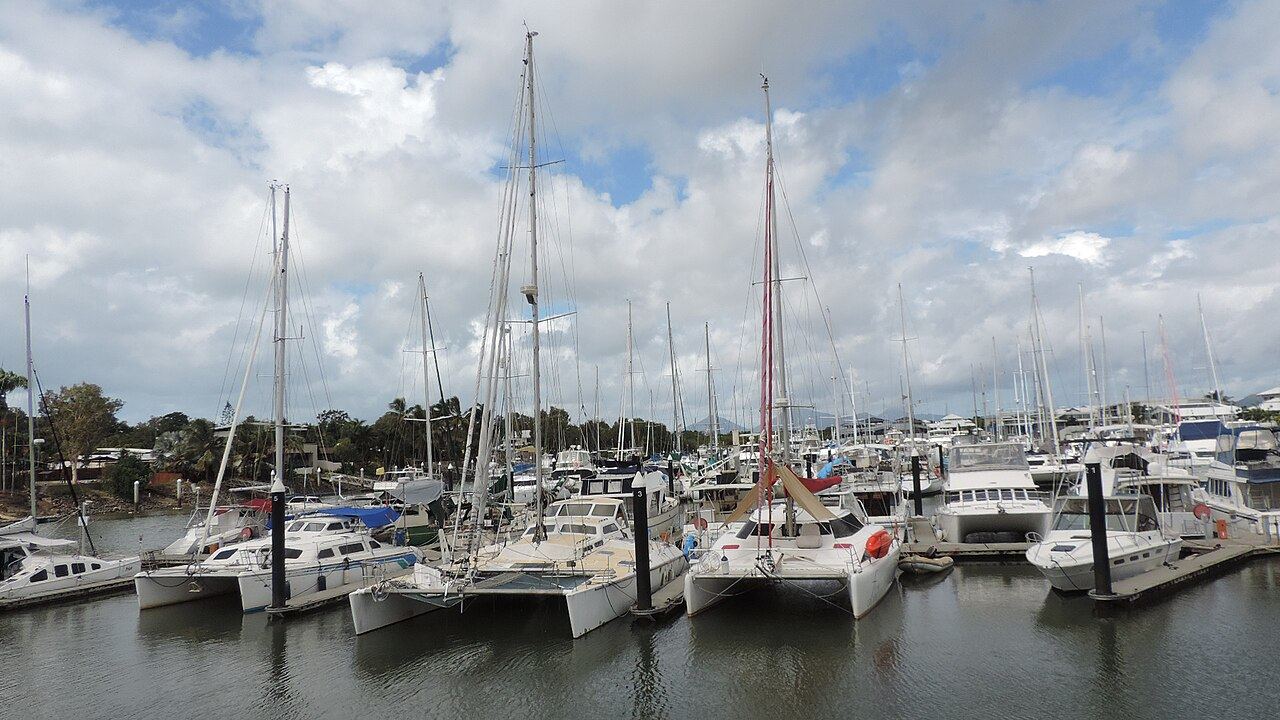
Ask a marina where its casual revenue went last summer and you will usually get an estimate rather than an answer. Casual and visitor berthing is priced at a premium, costs almost nothing extra to deliver when the pen is already empty, and disappears through the cracks more reliably than any other line on the tariff. The cause is almost never demand. It is a booking process that cannot answer a simple question quickly enough: can you take a 16-metre catamaran on Friday for three nights? This article sets out how a berth booking system should work in an Australian facility, from availability logic through to converting the visitor into a contracted tenant.
Availability has to mean the real berth
Most online booking failures come from an availability calendar built on berth numbers rather than berth capability. A pen is only available to a given vessel if it has the length, the beam, the depth at low water, the right service pedestal, and no contracted tenant returning mid-stay.
Your system needs all five dimensions in the record, and it needs to know when a contracted owner is away. A berth released because the boat is out cruising is genuine, high-margin casual inventory — but only if the release has an end date and the system automatically reverts the pen to occupied when the owner is due back.
- Berth length and usable finger length, not nominal marketing length.
- Beam limit, with a multihull flag rather than a guess at the office.
- Charted depth at lowest astronomical tide, and any known silting.
- Pedestal services: single or three phase, water, and whether the lead reaches.
- Return date of the contracted vessel where the pen is a sublet release.
Capture insurance and vessel details before arrival, every time
The single most common compliance gap we find in Australian marinas is casual vessels berthed without a current certificate of currency on file. It is not negligence; it is timing. The boat arrives at dusk, the office is closed, and the paperwork never catches up.
The booking is the only reliable moment to collect it. Make the certificate, vessel registration, length overall, beam and skipper's mobile mandatory fields at booking, with an on-the-day capture path — photograph the certificate at the pedestal — for genuine walk-ups. Store it against the booking with an expiry date so the same vessel next season prompts for a fresh certificate rather than reusing an expired one.
Money at the point of booking
Casual berthing should be paid up front. It removes chasing, it removes the awkward departure conversation, and it makes cancellations honest. Issue a compliant tax invoice at the point of payment rather than after the stay, and state the cancellation terms on the confirmation.
Set the tariff by band — per metre per night, with three-night and weekly steps, and event pricing for regattas, boat shows and long weekends. If your system cannot vary the rate by date range without an administrator editing prices manually, you will leave money on the water every summer.
The arrival pack does the work of a phone call
A good confirmation prevents most of the calls a dockmaster fields on a Friday afternoon. It should carry the assigned berth, an approach description with the fairway to use, the gate and amenities codes, tide and depth notes, the dockmaster's mobile, quiet hours, and the line-handling policy.
That last point matters commercially as well as operationally. If your staff do not handle lines, say so plainly in writing before arrival. It is an insurance position, not a service failure, and it is far easier to explain in a confirmation email than on a windy arm with a skipper already alongside.
Turning a visitor into a tenant
A casual booking is a qualified lead with the vessel dimensions already in your system. Most marinas never treat it that way. Set a simple rule: any vessel that stays three or more nights, or books twice in a season, receives a contracted berth offer within a week of departure, with the correct band and a genuine reason to move.
Track the conversion rate as a headline number alongside occupancy. In facilities we manage it is one of the cheapest sources of contracted tenure available, and it costs nothing but the discipline to follow up.
- Report casual nights sold, casual revenue per metre and conversion to contract each month.
- Flag repeat visitors automatically rather than relying on staff memory.
- Record why an enquiry was declined — no depth, no beam, no availability — because that report is your business case for the next capital works programme.
What good looks like on the day
The dockmaster opens the diary on an iPad at 0630 and sees today's arrivals and departures with vessel size, berth, payment status and insurance status. The 1400 arrival is flagged as over-beam, so the pen was allocated on the hammerhead when the booking came in three days ago, not at 1355 in a rising north-easter. That is the whole point of the system.
BerthPoint takes casual and sublet bookings against real berth dimensions, captures insurance up front and issues the tax invoice on payment. Ask us for a walkthrough on your layout.
Category tags