
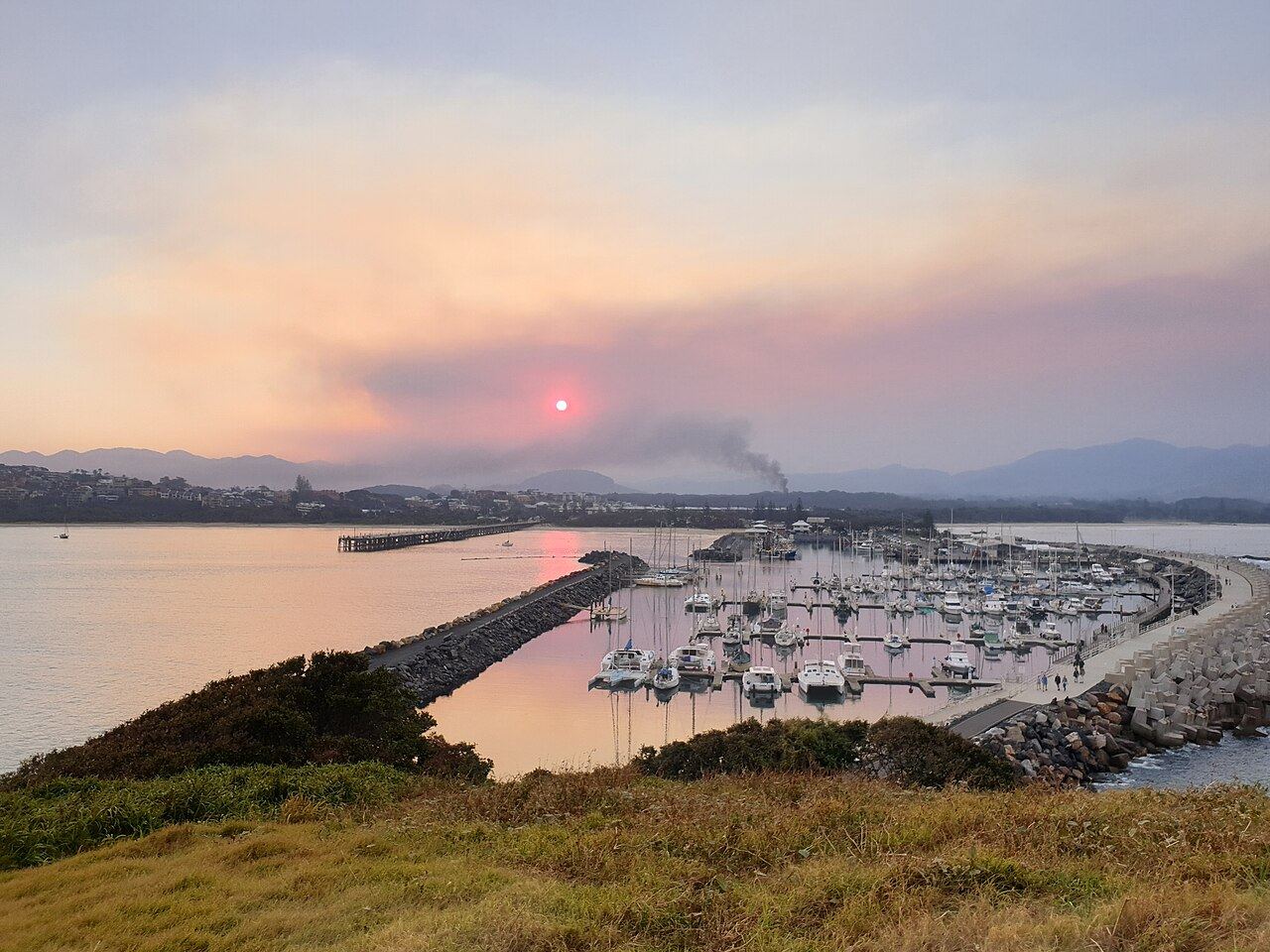
If a marina could only keep one operational routine, it should keep the dock walk. Everything else — the software, the reporting, the maintenance plan — depends on someone walking every arm every morning and seeing the facility properly. It is also the routine most likely to degrade quietly into a lap of the main arm with a coffee. This is the procedure we train dockmasters on, why each element is there, and how the record turns an hour of walking into the marina's primary evidence base.
Timing and coverage
Walk early, before the day's arrivals and before contractors are on site. In an Australian summer that means starting around first light; the light is good, the water is usually flat, and you see overnight damage before anyone else does.
Cover every arm, every day. Rotate the direction so you are not always looking at the same berths in the same light. On a facility with swing moorings, add a water patrol leg on the marina tender at least twice a week — moorings fail out of sight and the first sign is often a boat further from its buoy than it was.
What you are actually looking at
The dock walk covers three things simultaneously: the structure, the vessels, and the people. Train the eye for all three.
- Structure: decking, loose or lifted boards, protruding fixings, cleats and bollards, fingers, handrails, gangway hinges and ladders.
- Services: pedestal doors closed and locked, no damaged leads or joins in the water, hose connections, lighting including anything out overnight.
- Safety: life rings and throw lines present and serviceable, fire extinguishers and hose reels in place with intact tags, spill kits stocked, signage legible.
- Vessels: mooring lines and springs, chafe, fenders, listing or low freeboard, bilge pumps cycling, covers adrift, tenders and davits over the finger, unattended shore power leads.
- Environment: sheen or spill, litter, debris in the fairway, wildlife interaction or nesting.
- Activity: unauthorised works, hot works without a permit, contractors who have not signed in, liveaboard activity outside the agreement.
Record it as you go
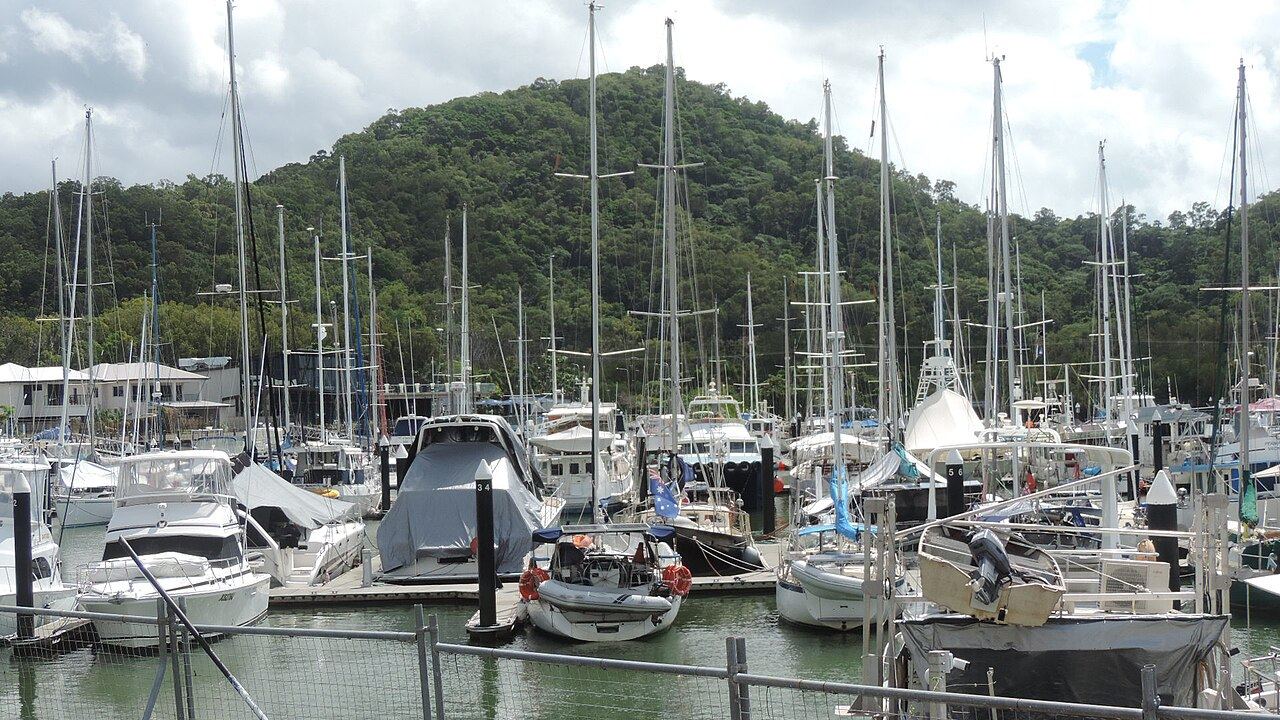
The walk has no value as evidence unless it is recorded. Record it on the device in your hand — the arm, the time, a photograph of anything you raise, and a one-line note. Completing the walk should log itself with a name and a timestamp.
A defect gets a severity there and then. An immediate hazard means isolating the asset before you continue and calling the manager, not making a note to mention it later. A vessel issue gets a photograph and a message to the owner from the berth record, using their mobile or email, before you have walked twenty metres.
The vessel conversations to have early
Most disputes in a marina begin as a small observation that nobody passed on. A frayed spring line, a vessel sitting lower than last week, a cover that has been flogging for a fortnight. Tell the owner the first time you see it, in writing, from the system.
Be clear about the line-handling position while you are at it. If your staff do not touch tenants' lines, that is an insurance and duty-of-care position, and it needs to be stated in advance rather than explained after a claim. What a dockmaster can always do is observe, photograph, record and notify — and that is usually what protects the vessel and the marina both.
Why the record matters more than the walk
After any incident — a person in the water, an electrical fault, a vessel sinking on a berth — the question is what the marina knew and when. A twelve-month history of completed dock walks with photographs, defects raised, severities assigned and actions closed out answers that question in your favour. Its absence answers it in someone else's.
The same record is your maintenance budget, your insurance renewal evidence, your defence in a tenant dispute over damage, and the induction material for the next dockmaster you hire. One hour a day, recorded properly, does all of that.
- Dock walks completed as a percentage of days, reported monthly to the owner.
- Defects raised, closed and open by severity.
- Average days from raise to close on Severity 1 and 2 items.
- Photographs retained against every item, with location and timestamp.
Training the habit
New dockmasters should walk with an experienced one for a fortnight, then be walked behind for a fortnight. What you are teaching is not the checklist — that takes an afternoon — it is the judgement to notice the boat that is sitting differently to yesterday. That comes only from doing the same arms, every day, and writing down what you saw.
We train dockmasters on live Australian marinas and BerthPoint records the walk, the photographs and the defects automatically. Talk to us about your facility.
Category tags