
← Insights

Marina Occupancy Rate and the Reporting Owners Should Demand

Marina Management · 31 August 2026 · 9 min read

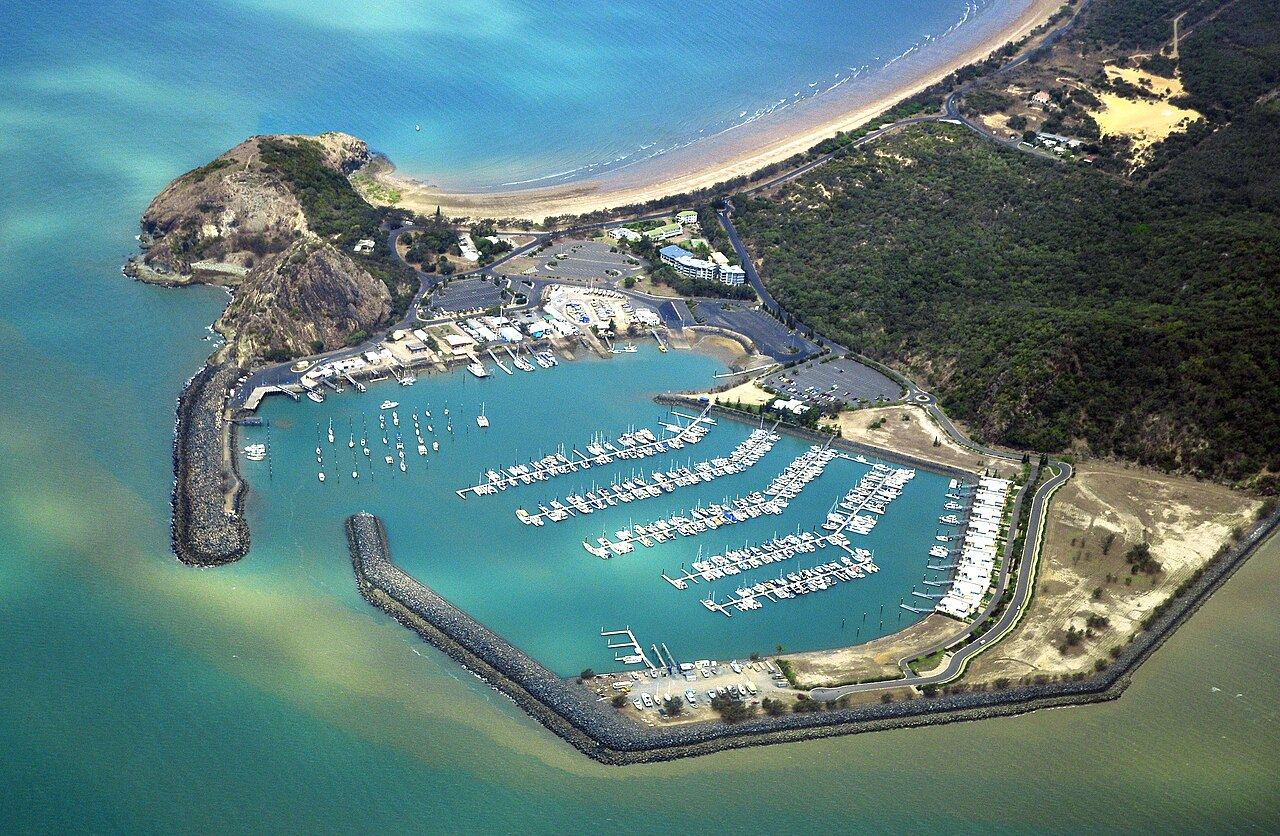
Aerial view of a marina precinct and boat harbour

Occupancy is the number every marina owner asks for and the number most likely to mislead them. A facility can report 94 per cent occupied and be leaving six figures a year on the table, because the empty pens are the big ones and the full ones are the small ones. Occupancy by berth count treats a 10-metre pen and a 24-metre hammerhead as equal units. They are not equal units — they are not even in the same business. This article sets out how to measure occupancy honestly, the four numbers that sit alongside it, and what a monthly marina report should contain before an owner or asset manager signs it off.

Measure metres, not berths

Berth-count occupancy is occupied pens divided by total pens. Metre occupancy is occupied berth metres divided by total berth metres. In a mixed-length facility the two diverge sharply, and the gap is where the money is.

Take a 200-berth marina reporting 94 per cent by count: twelve empty pens. If eight of those are 18 metres and above, the metre occupancy might be 88 per cent, and because the long berths carry the highest rate per metre, the revenue occupancy could be closer to 84 per cent. Same marina, same month, three very different conversations with the owner.

  • Berth occupancy: occupied pens ÷ total pens. Useful for staffing and amenities load.
  • Metre occupancy: occupied metres ÷ total metres. The honest measure of space utilisation.
  • Revenue occupancy: contracted revenue ÷ revenue at full tariff. The measure that maps to the P&L.
  • Report all three, every month, and never quote one without the others.

Revenue per metre is the comparison metric

Revenue per berth metre per annum lets you compare a 120-berth river marina with a 400-berth harbour facility, compare this year with last, and compare one arm with another. Calculate it on total berthing revenue including casual, divided by total available metres, so that unsold capacity correctly drags the number down.

Split it into contracted and casual. A marina with strong contracted revenue per metre and near-zero casual revenue is not full — it is simply not selling the gaps when owners are away.
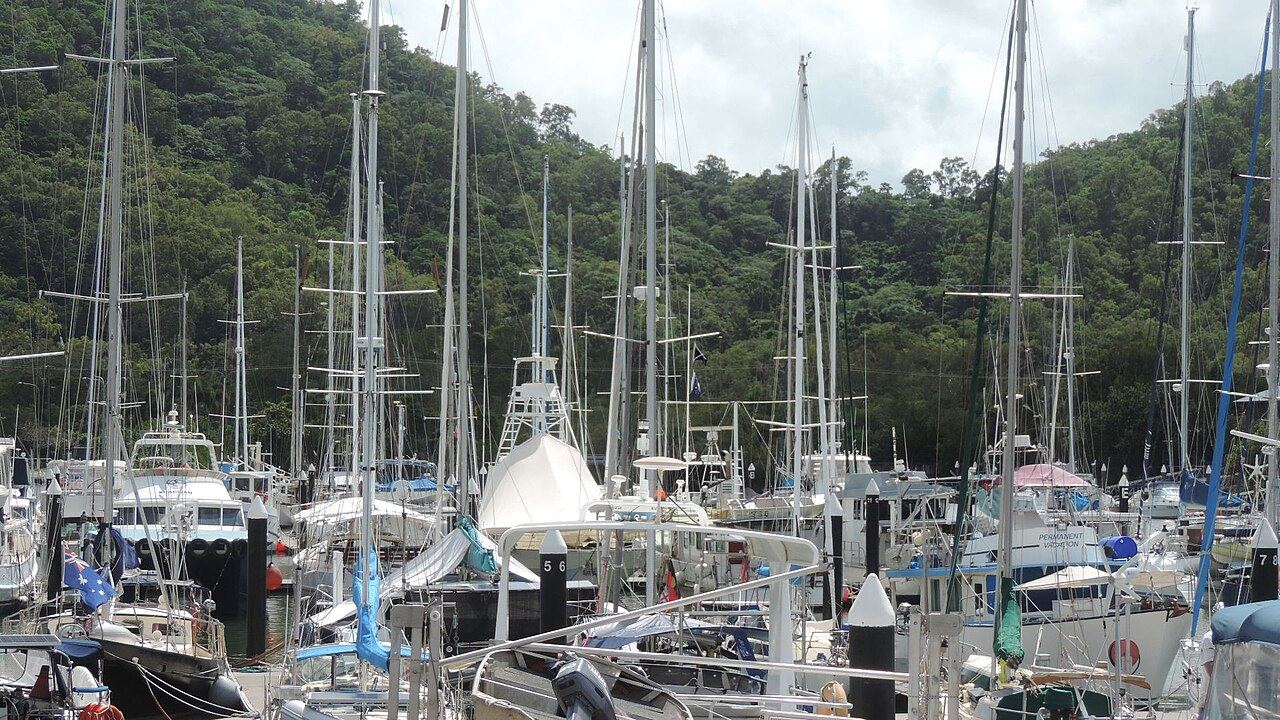
Masts and berth arms across a marina basin

Arrears ageing tells you about management, not customers

Every marina has arrears. The distribution matters more than the total. A clean facility has most of its arrears inside 30 days and almost nothing beyond 90. When the 90-plus bucket grows, it is nearly always a process failure: invoices issued late, no automatic reminders, no escalation point, and no one whose job it is to make the call.

Report arrears as a percentage of monthly billing, aged in 30, 60, 90 and 120-plus buckets, with the number of tenants in each. Then report the movement since last month. A static total hiding growing old debt is the classic warning sign in a marina about to have a bad year.

The four leading indicators

Occupancy and revenue are lagging measures — by the time they move, the decision that caused it was made months ago. These four move first.

  • Enquiries received and enquiries declined, with the reason: no depth, no beam, no availability, price. This is your capital works business case.
  • Waitlist depth by length band. A deep waitlist at 12 metres and an empty one at 20 metres tells you exactly what to do at the next reconfiguration.
  • Casual nights sold and casual conversion to contract.
  • Notice given and departures by reason. Three departures citing amenities is a maintenance decision waiting to be made.

What belongs in the monthly owner's report

A marina report should be short enough that the owner reads all of it. One page of numbers, one page of narrative, and the evidence attached.

  • The three occupancy measures with movement against prior month and prior year.
  • Revenue per metre, contracted and casual, against budget.
  • Arrears ageing with movement and the specific actions taken on the 90-plus accounts.
  • Work orders raised, completed and overdue, with any safety-critical item called out.
  • Compliance evidence for the month: dock walks completed, fire equipment servicing, incidents and near misses, insurance certificates expiring in the next 60 days.
  • Capital and condition items identified, with an indicative cost and a recommended timing.
  • Enquiries, declines and waitlist by band.

Why this matters more when the owner is a fund

Marinas increasingly sit inside property portfolios managed by people who are excellent at real estate and unfamiliar with tidal water, condition risk in marine structures and maritime compliance. Reporting that only shows occupancy and rent looks reassuring right up until a pile survey or a fire audit lands.

Give the asset manager the operating numbers and the condition evidence in the same monthly pack. It protects the asset, it protects the manager, and it makes the profit case for maintenance far easier to argue at budget time.

We report Australian marinas on this exact set every month. Ask us for a sample owner's report built on your facility's berth mix.

Category tags

OccupancyReportingMarina KPIsAsset management

More insights

Marina Management

Marina Accounting: Getting Berthing Revenue into MYOB or Xero Cleanly

Most marina bookkeeping pain is a data problem, not an accounting problem. Here is how berthing, casual nights, power recharges and deposits should flow into MYOB or Xero without re-keying.

Marina Operations

The Daily Dock Walk: The Most Valuable Hour in a Marina

One properly recorded hour on the arms each morning prevents most of the incidents, most of the disputes and most of the emergency maintenance a marina will ever face.

Marina Management

Marina Maintenance and Work Orders: Running Repairs Without Losing Control

Marine structures fail slowly and then all at once. A work order system that captures defects on the dock walk and controls contractors is the cheapest risk management a marina can buy.

Marina Software

Marina Management Software in Australia: 2026 Buyer's Guide

Most marina software demos look identical. The difference shows up on a wet Tuesday when a dockmaster needs a berth reallocated on an iPad in the rain. Here is how to evaluate the category properly.

Marina Software

Berth Booking Systems: How Australian Marinas Should Take Casual Bookings

Casual berthing is the highest-margin revenue in most marinas and the worst-managed. The fix is a booking process that knows the real berth, captures insurance up front, and converts visitors into tenants.

Marina Management

Marina Manager Training in Australia: The Qualification Gap

Australia trains skippers, engineers and deckhands to a national standard. It does not train the person running the marina. Here is what the job actually requires and how the good operators learn it.

Vessel Relocation

Boat Transport Sydney to Queensland: Delivery Options, Cost and Timing

The Sydney to Queensland run is the most requested delivery in Australia. Here is how the two options compare on cost, risk and timing, and what determines which one is right for your vessel.

Marina Software

Marina Management Software in Australia: How to Compare Systems

Every marina platform demos well. The differences appear in the first winter — offline on the arms, fit checking a casual enquiry, producing compliance evidence, and whether the office keys anything twice.

Marina Advisory

Marina Fire Safety Compliance in Australia: The Operator's Checklist

The work usually gets done. The proof usually does not — and an insurer, a regulator or a lease auditor only accepts the proof. Here is the fire compliance record an Australian marina should be able to produce in minutes.

Marina Asset Management

How to Increase Marina Revenue in Australia Without Raising Fees

A marina at 98 per cent occupancy can still be underperforming by six figures. Revenue per metre, not occupancy, is the number that decides whether a facility is profitable — and there are eleven levers to move it.

Dredging & Equipment

Marina Dredging Cost in Australia: Budgets, Approvals and Timing

Dredging is the single largest recurring capital event in a marina's life and the one most often treated as a surprise. Here are the real cost drivers, the approvals pathway, and how to fund it without a special levy.

Marina Management

How Much Does a Marina Berth Cost in Australia? 2026 Price Guide

Berth pricing in Australia is quoted per metre, but the metre rate is only half the bill. Here is how annual, monthly and casual berthing is priced, what pushes a rate up, and the extras that surprise owners.

Marina Asset Management

Marina Asset Management in Australia: What Fund Managers Miss

Institutional owners are excellent at capital structure and valuation. They are not built to manage a structure sitting in salt water. That gap — condition, sedimentation, compliance evidence and berth-holder trust — is where Australian marinas are losing money and tenure.

Marina Software

What Marina Management Software Should Cost in Australia

Marina software quotes are rarely comparable. Per user, per berth, per booking, per module, in US dollars, plus setup. Here is how to read an Australian marina software quote and work out what it will really cost over three years.

Marine Logistics

Marine Logistics in Australia: The Complete Operator's Guide

Marine logistics is the movement of people, freight, plant and vessels across water, and the shore-side operation that makes those movements possible. Here is the whole discipline as it actually works in Australia, from a crew transfer at 5am to a 400 tonne barge lift, and how to buy it without getting burnt.

Vessel Relocation

What It Costs to Transport a Boat in Australia (2026)

Three ways to move a boat across Australia, and the decision usually gets made on price alone. Here is what actually drives the cost of each, the insurance clause that catches most owners out, and how to hand a vessel over so a dispute is impossible.

Waterfront Freight

Barge and Landing Craft Delivery to Waterfront Sites in Australia

If a truck cannot reach the site, the job becomes a marine movement with tides, deck ratings and approvals attached. Here is how waterfront freight by barge and landing craft actually works in Australia, and how to plan a delivery that lands first time.

Crewing & Staffing

Hiring Marine Crew and Skippers in Australia

The tickets are only half the job. Here is what actually separates a crew hire that works from one that leaves you exposed — certificate matching, currency, insurance, and the contracting arrangements that quietly become your liability.

Marina Management

How to Choose a Marina Management Company in Australia

Most marina management proposals read the same: master planning, operations, HR, reporting. Here is how to tell which one will actually lift occupancy, and the twelve questions that separate an operator from a brochure.

Marina Management

Casual and Visitor Berth Bookings: The Revenue Most Marinas Leave on the Water

Overnight and visitor berthing is priced per metre, sold at the last minute and lost to a missed phone call. Here is how Australian marinas capture it — and how a request-and-approve booking flow works in practice.

Dredging & Equipment

Hire or Buy Dredging Equipment in Australia? A Cost and Compliance Comparison

Capital outlay, mobilisation, crewing, spares lead times and resale — the numbers that decide whether hiring or buying dredging plant is the cheaper path for your project.

Marina Advisory

Marina Compliance Audit Checklist: What Australian Facilities Are Assessed On

A practical checklist of what an independent marina site inspection assesses — from gangway load paths and shore power to spill response and contractor induction records.

Marina Asset Management

How to Run an Australian Marina for Maximum Occupancy and Maximum Profit

Most Australian marinas are not full and not profitable for the same reason: nobody is managing the water as an investment. Here is the operating model we use to lift both.

Pricing & Quotes

How Much Does a Water Taxi or Charter Transfer Cost in Australia?

Per-head rates, minimum charges, wharf access fees and after-hours loading — a plain-English breakdown of what a harbour transfer actually costs, and what changes the number.

Enquire

Talk to us about your marina or vessel

If this article touched on something you are dealing with, send us the detail and we will come back with a scoped, written response.

Response time
Within one business day, seven days a week.
Direct contact
sean@sydneymarinelogistics.com.au
Coverage
Australia-wide mobilisation.

Submissions are reviewed by our operations team. Pricing is confirmed in writing before any work is scheduled.